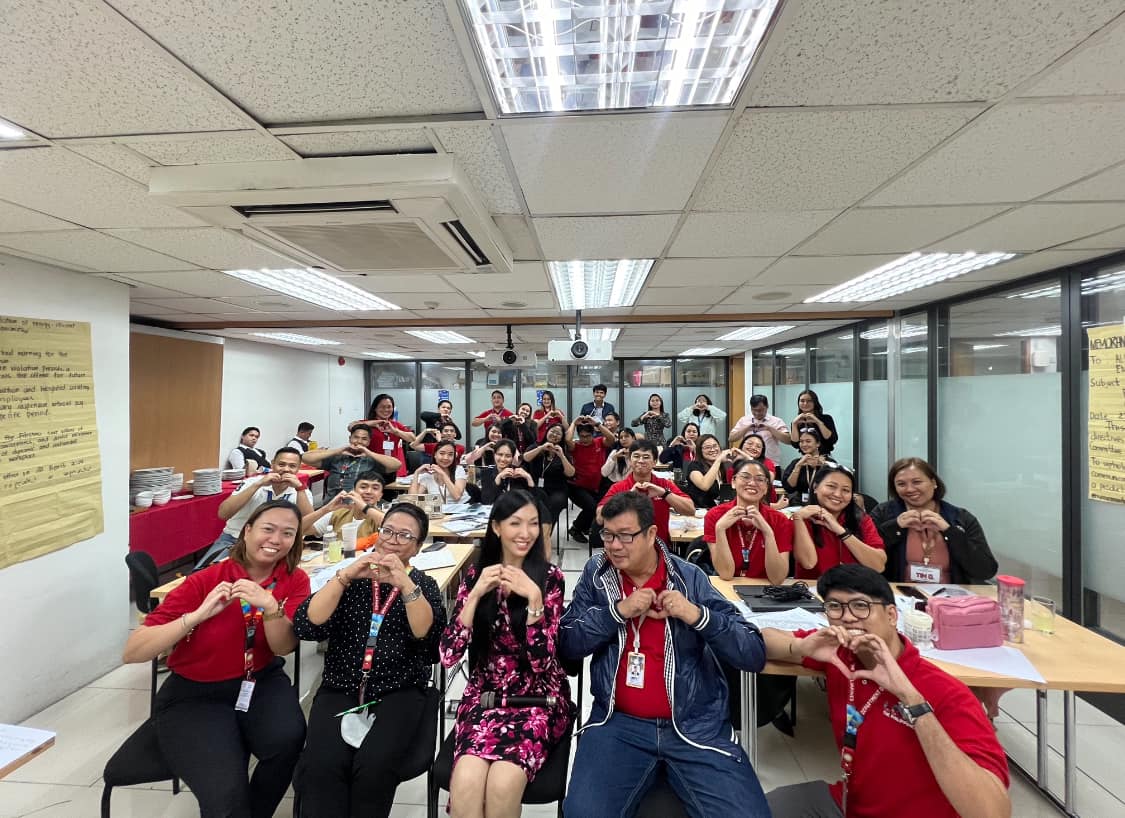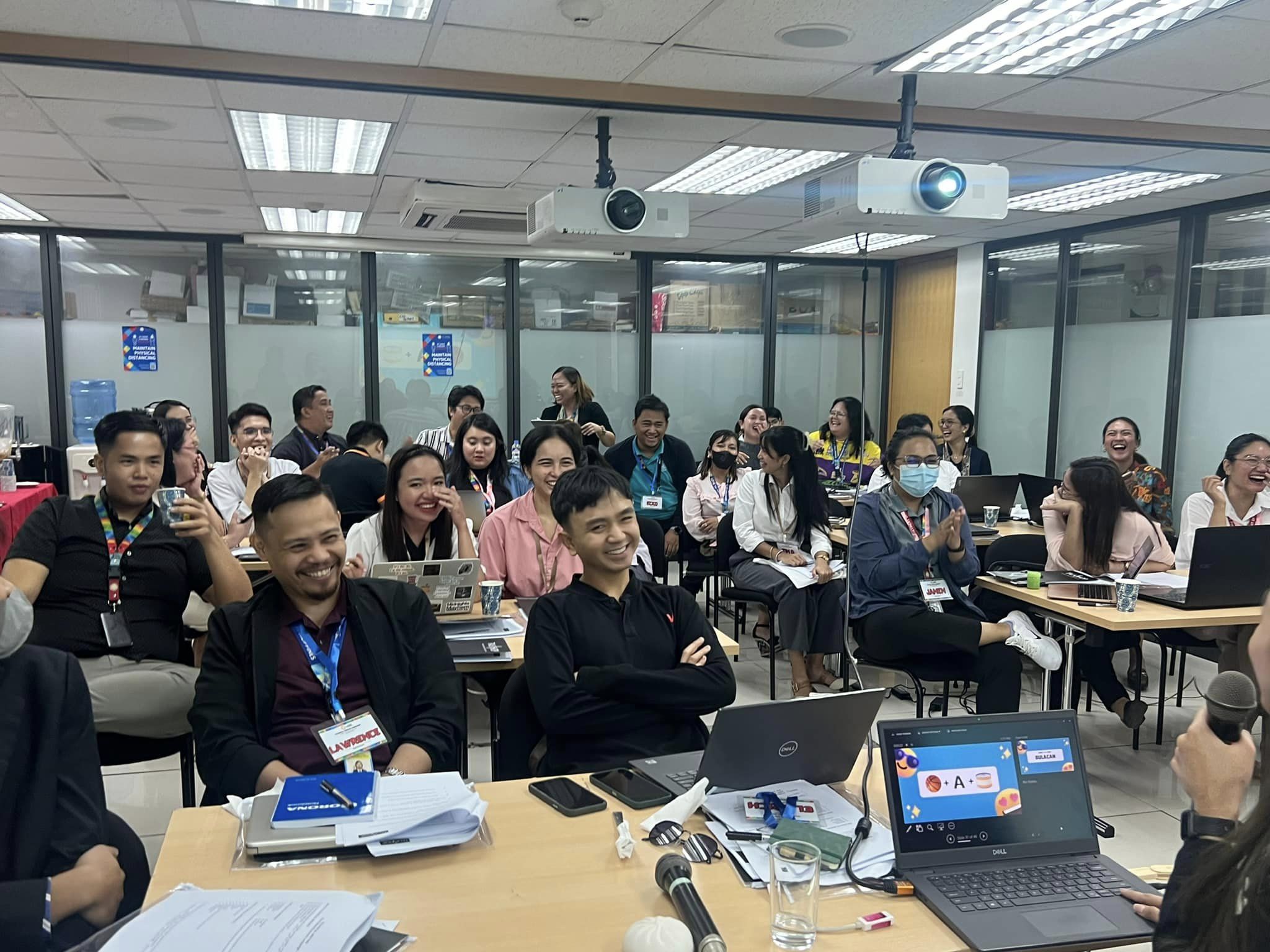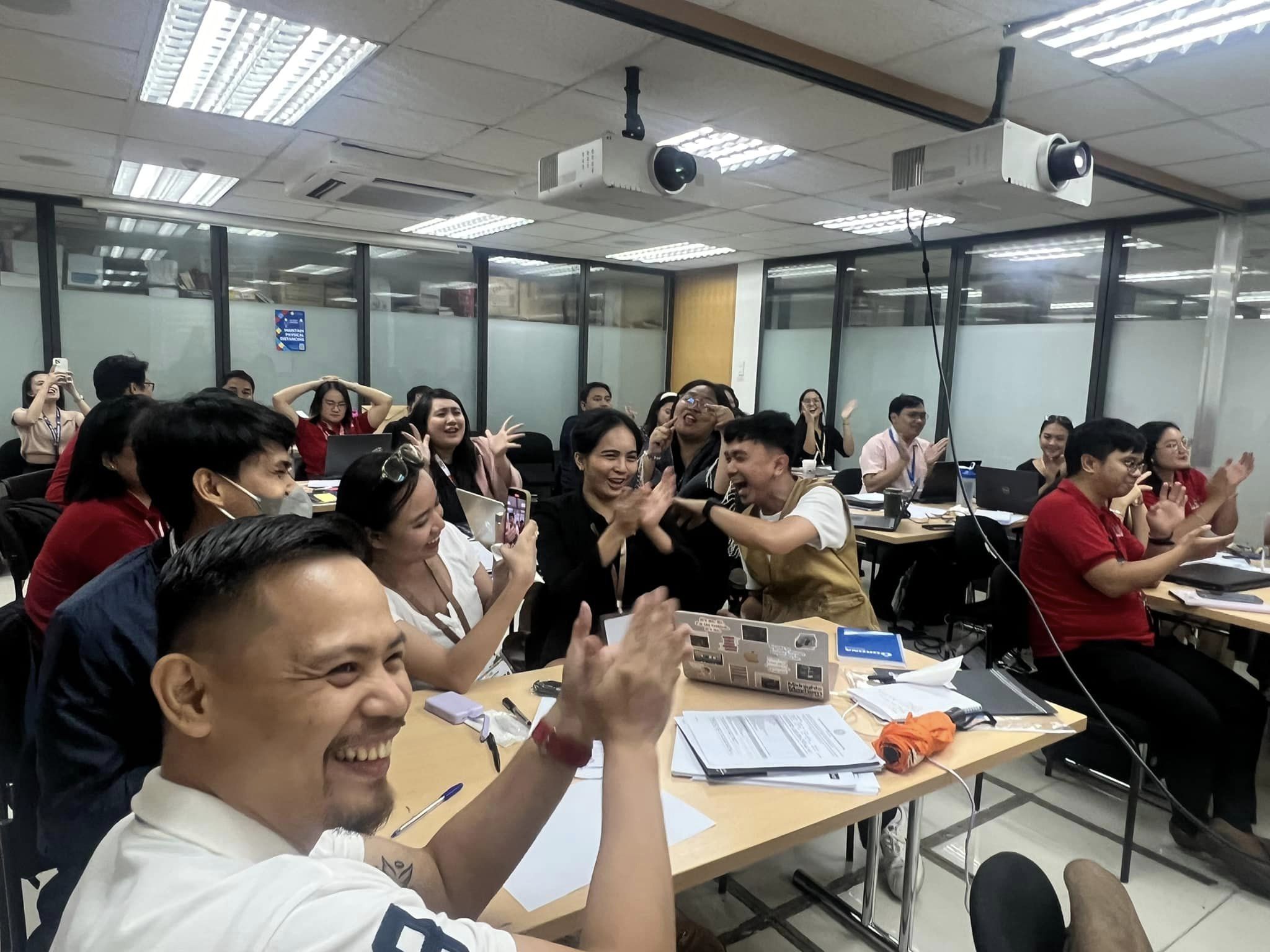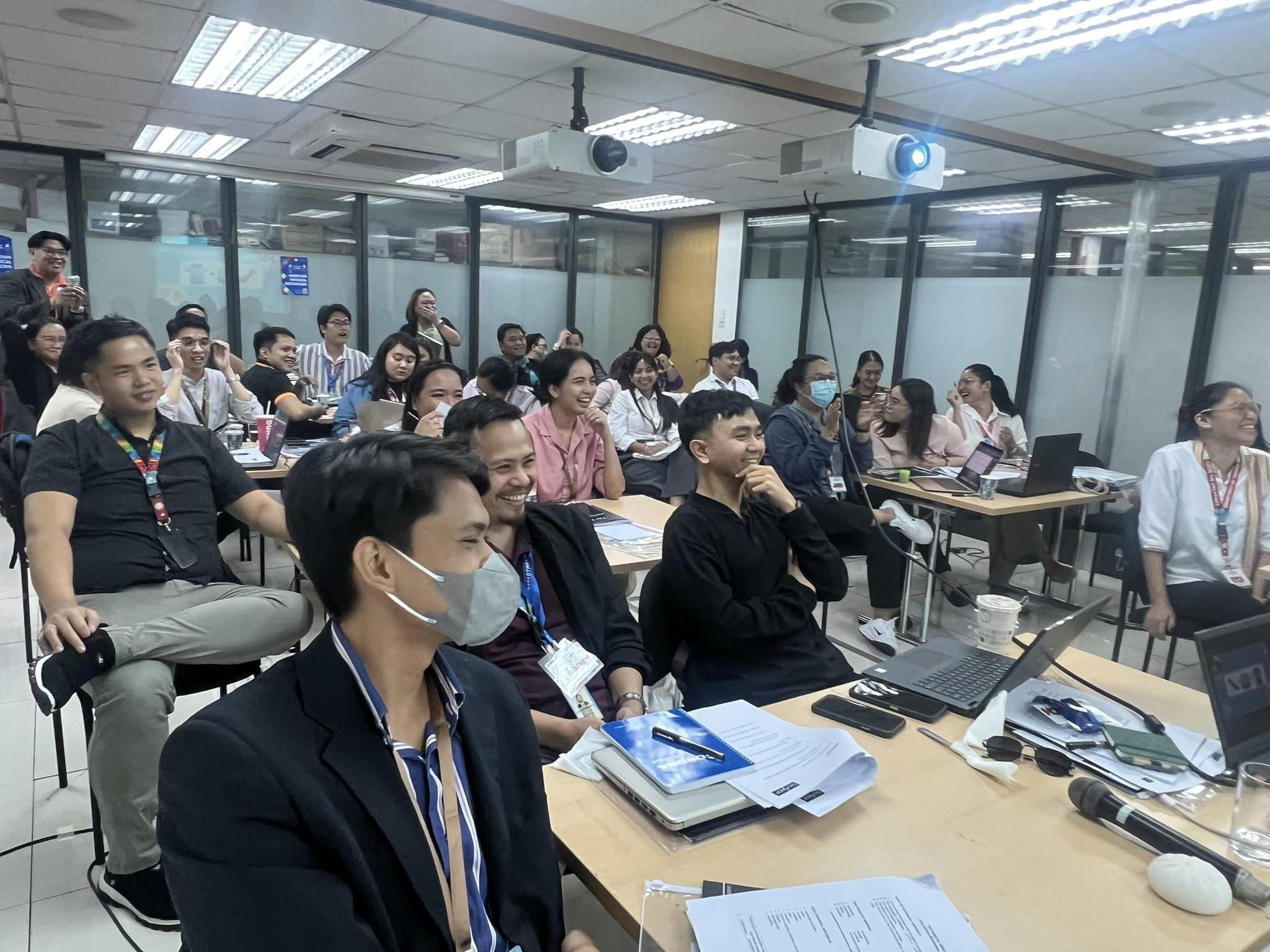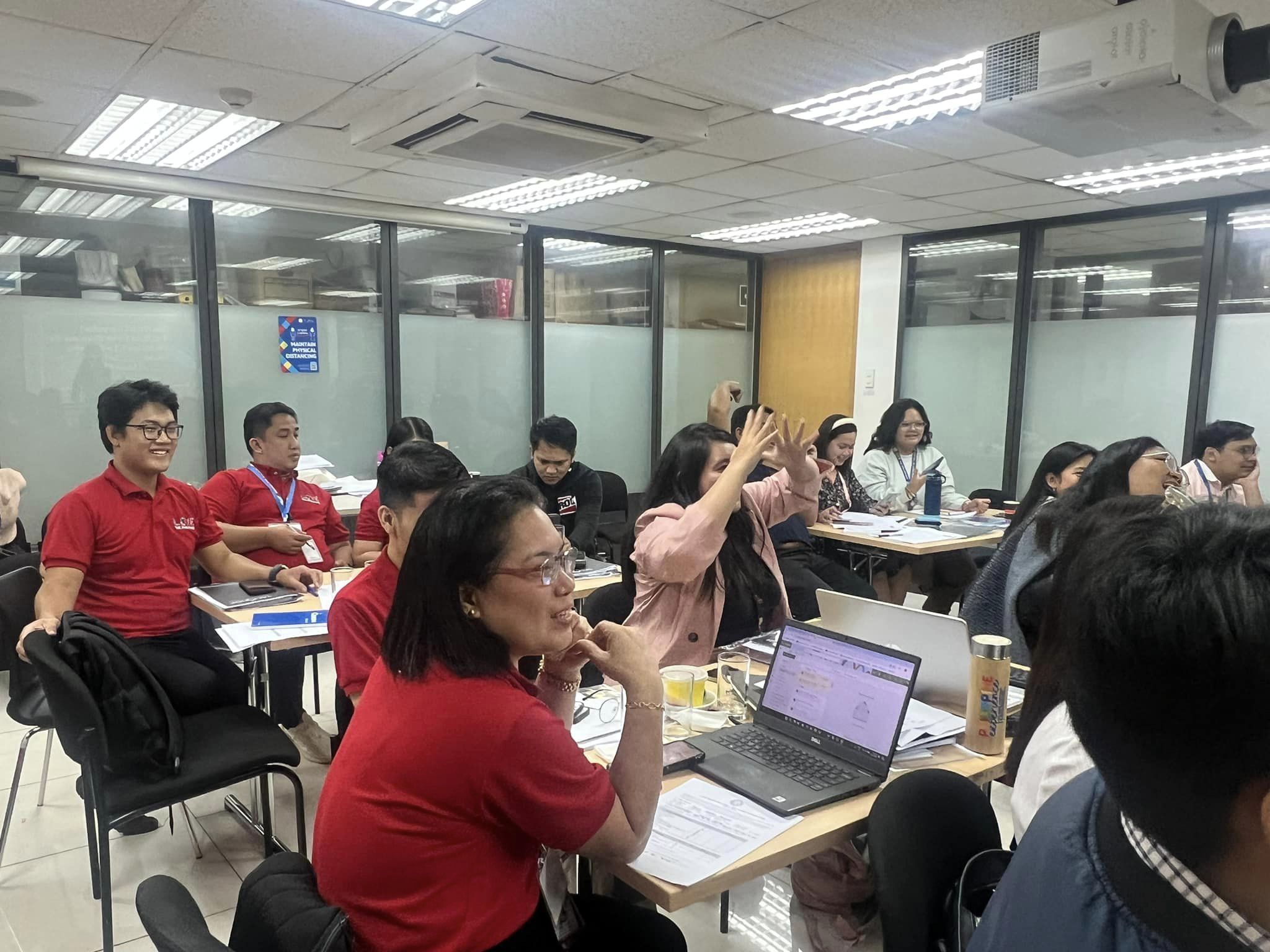
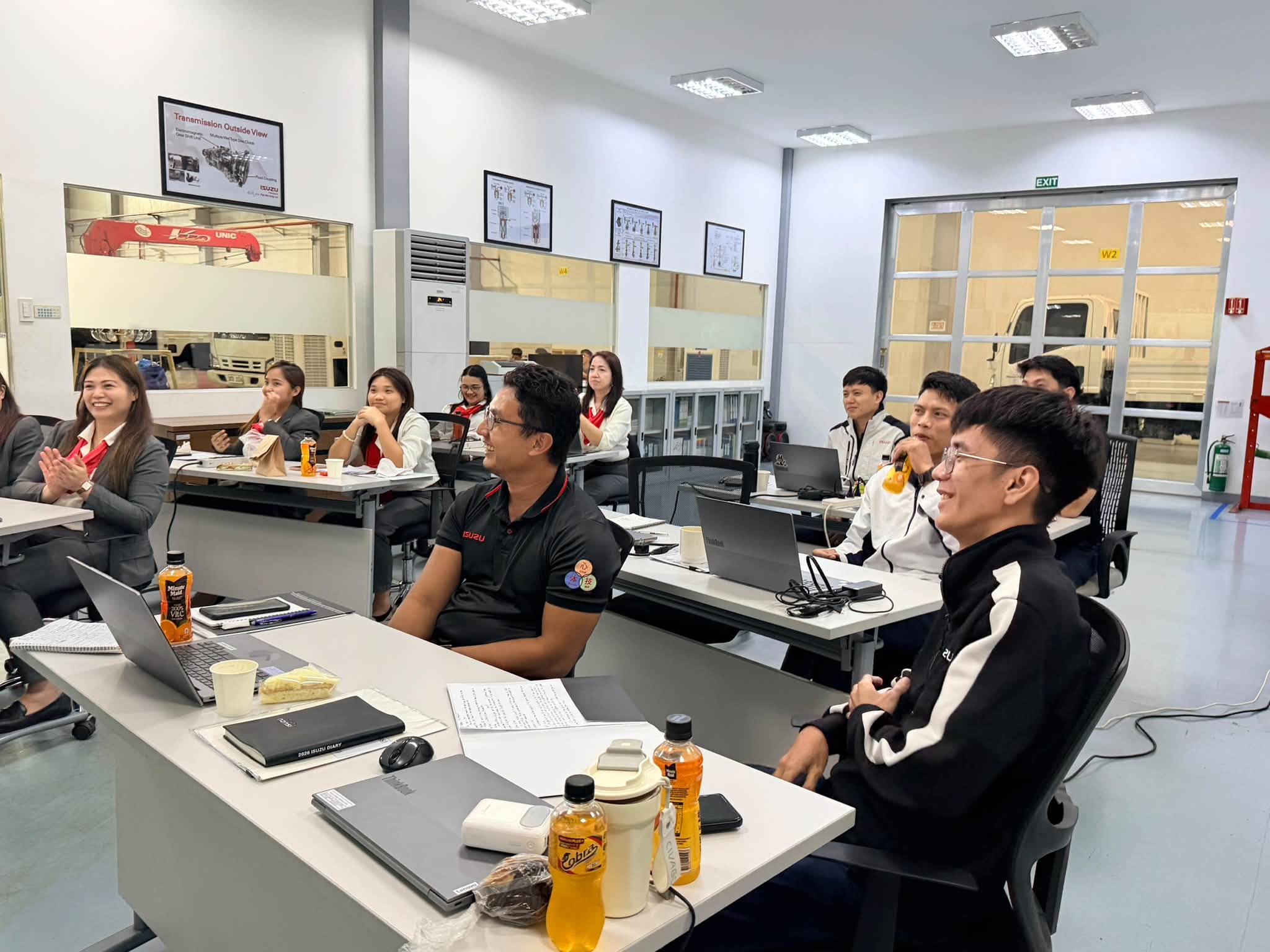
TalkShop Develops Global Trainer and Officer Excellence for Isuzu Global

Three-day intensive program brings together facilitation mastery, cross-cultural communication, professional presence, coaching and responsible AI for globally effective trainers and officers

PHILIPPINES — Technical expertise creates organizational value only when people can communicate it clearly, teach it effectively and enable others to apply it.

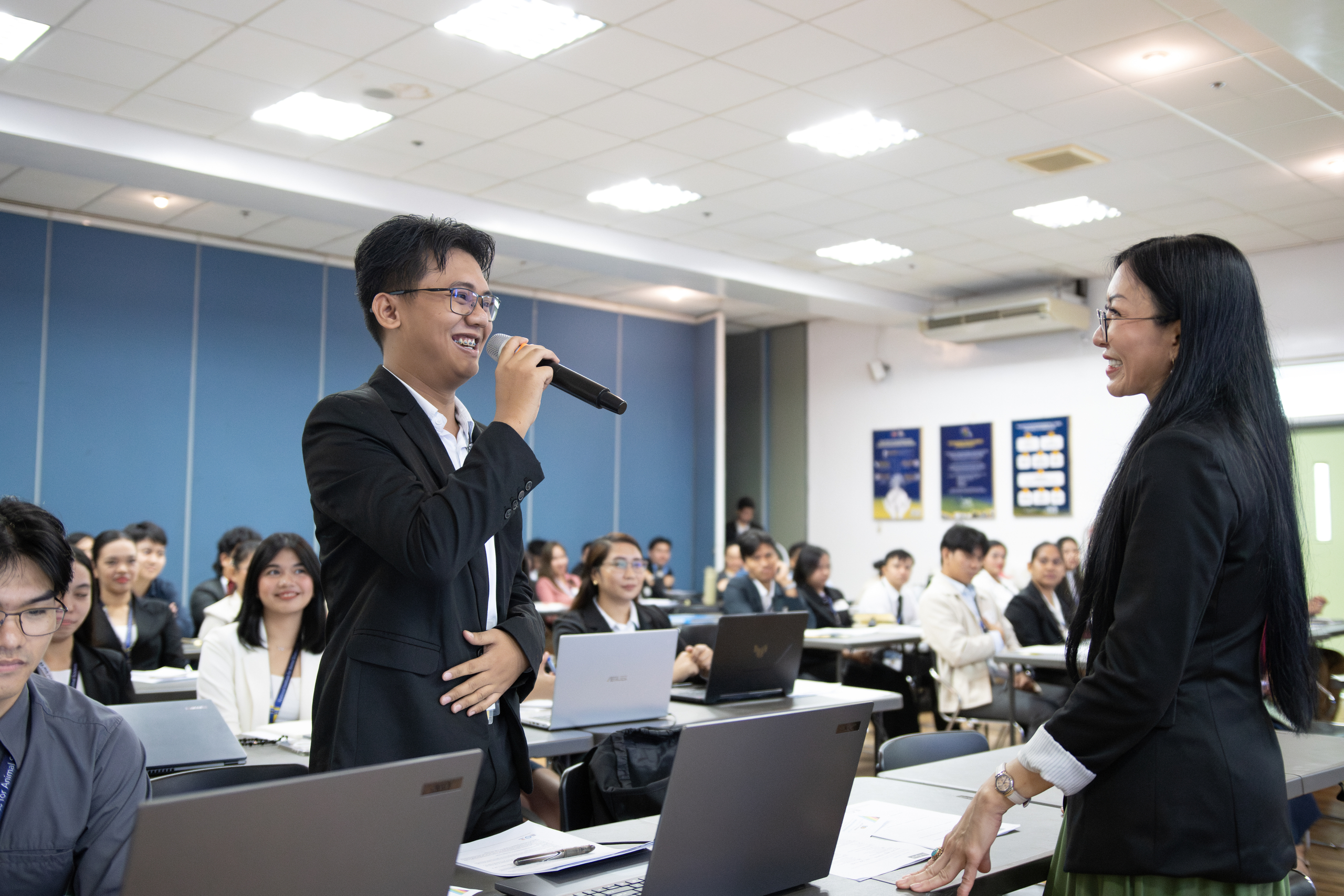
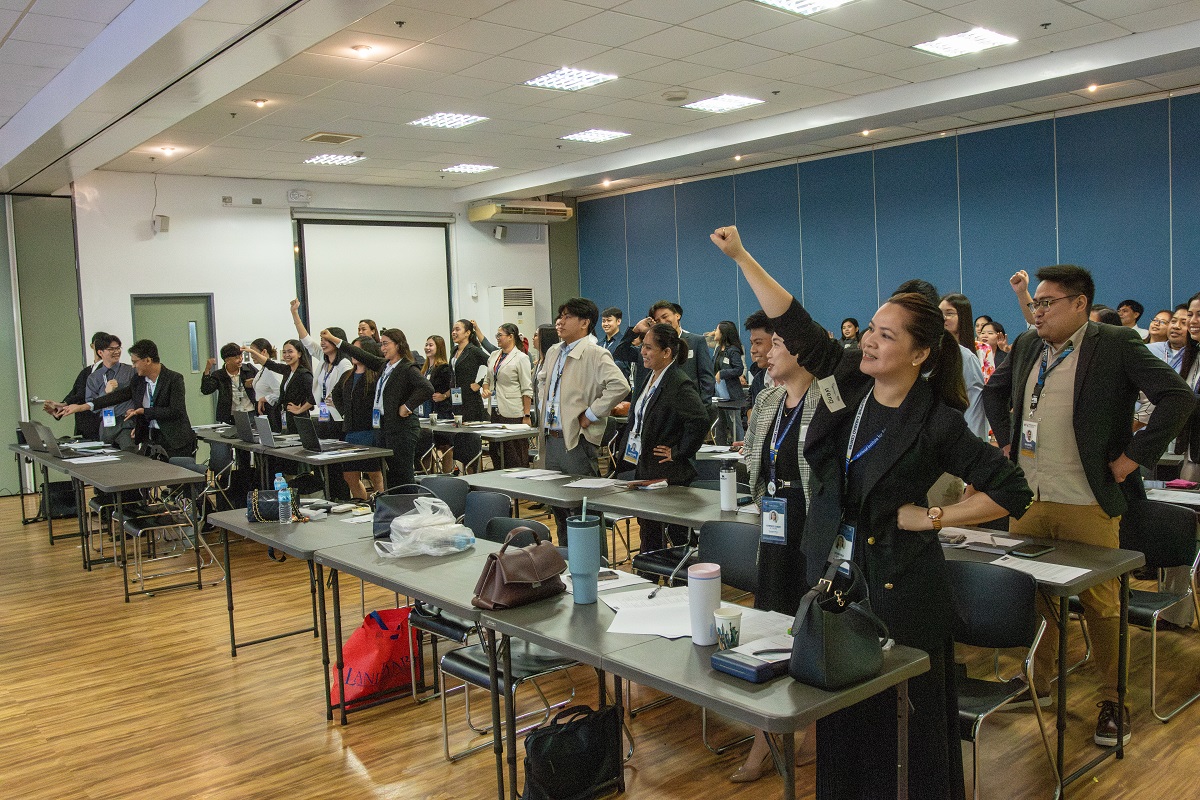
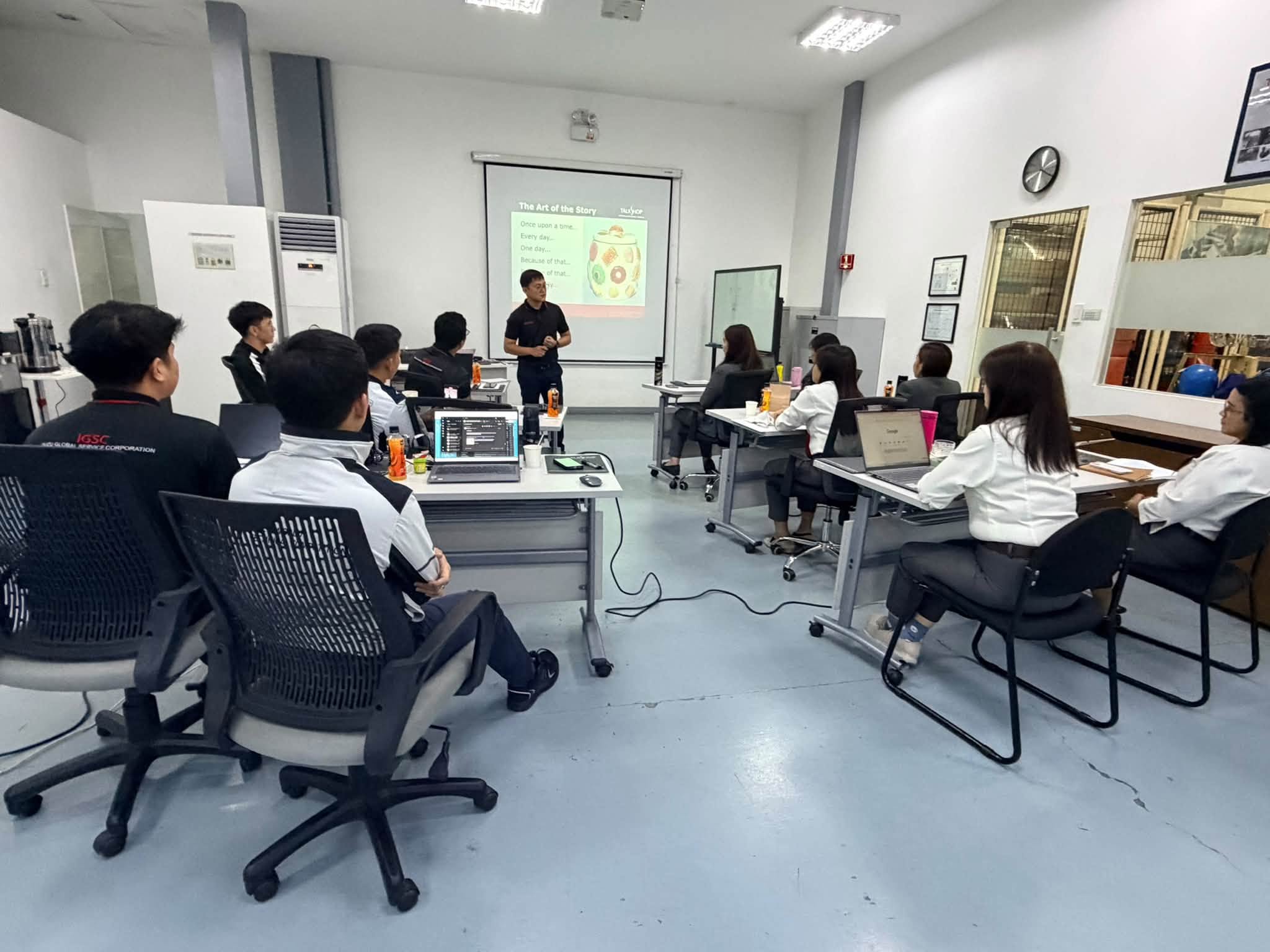
This principle shaped TalkShop’s Global Trainer & Officer Excellence, a three-day intensive capability-development program designed for Isuzu Global trainers, officers, supervisors, subject-matter experts and personnel responsible for facilitating learning, communicating technical or business information, coaching colleagues and representing the organization in local and global settings.

Led by Dr. Sheila Viesca, CEO of TalkShop, the program brought together four capabilities increasingly important to professionals operating across functions and cultures:

Facilitation mastery. Global communication. Cultural intelligence. Professional credibility.

Rather than approaching trainer development as presentation-skills training alone, TalkShop designed the intervention around a larger question:

What happens to expertise after the expert knows it?

Can it be explained?

Can it be taught?

Can it survive differences in language, hierarchy, personality and culture?

Can another person actually use it?

For TalkShop, that is where subject-matter expertise becomes organizational capability.
From Subject-Matter Expert to Learning Facilitator

Knowing a subject and teaching it are different competencies.

An expert may understand a process thoroughly yet struggle to organize it for someone encountering it for the first time.

A trainer therefore needs more than information.

Participants examined adult-learning principles, learner expectations, instructional structure, questioning, listening, engagement, storytelling, explanation and learning transfer.

They practiced opening and framing a session, sequencing content, signposting important information, using examples effectively, managing transitions and closing learning with purpose.

Technical information was also subjected to a particularly important discipline:

   Explain it simply without making it inaccurate.

Through concise explanation drills and micro-facilitation, participants worked on translating knowledge into communication another person could understand and apply.

Presence Is Part of the Message

Trainer credibility is communicated before a participant has fully processed the content.

Voice.

Posture.

Pacing.

Eye contact.

Preparation.

Clarity.

Response to questions.

Composure when something goes wrong.

The Isuzu program therefore treated professional presence as part of facilitation competence, not an aesthetic addition to it.

Participants examined how nonverbal credibility and instructional clarity affect learner confidence, while practice sessions allowed them to receive structured feedback on how they were actually being experienced by an audience.

The objective was not theatrical performance.

It was credible professional presence that supports the message rather than competing with it.

Communicating Across Cultures Without Reducing People to Stereotypes

For professionals working in global organizations, communication competence must extend beyond fluency.

The second major dimension of the program focused on cultural intelligence.

Participants examined cultural assumptions, adaptation, curiosity and respect, together with communication expectations relevant to Japanese and global corporate environments—including hierarchy, precision, context, listening, preparation, consensus and professional boundaries.

High-context and low-context communication provided another lens.

What one person considers appropriately subtle, another may experience as vague.

What one culture considers admirably direct, another may perceive as unnecessarily confrontational.

The objective was not to assign rigid behaviors to nationalities.

It was to develop the ability to read context, remain observant and adapt without stereotyping.

That distinction is fundamental to TalkShop’s approach to cross-cultural communication.

Professional Disagreement Without Damaging the Relationship

Global professionals must also know what to do when communication becomes difficult.

Participants worked on clear requests, disagreement, boundary-setting, escalation and difficult conversations while preserving professional dignity and working relationships.

Feedback and coaching were approached similarly.

Instead of making feedback personal, participants practiced behavior-based language, appropriate timing, specificity and inquiry.

The shift was from:

“How do I correct this person?”

to:

“How do I help this person see the behavior, understand its impact and take ownership of the next action?”

That turns feedback from fault-finding into a developmental conversation.
Coaching Rather Than Correcting

The distinction became even more important for trainers.

When every mistake is immediately corrected by the expert, learners can become dependent on the expert.

Coaching asks more of both people.

The trainer observes.

The trainer asks.

The learner thinks.

The learner identifies.

The learner acts.

TalkShop therefore incorporated inquiry, observation, developmental language, learner ownership and accountability into the Isuzu program.

This supports a larger organizational objective: trainers who do not simply transmit knowledge, but develop capability in others.


When the Training Room Does Not Follow the Plan

Real facilitation is rarely perfect.

A participant may dominate.

Another may remain silent.

Someone may resist the material.

Technology may fail.

A question may arise that the trainer cannot answer immediately.

Time may suddenly become limited.

The program deliberately addressed these realities.

Participants examined how to work with quiet, dominant, resistant, disengaged or challenging participants, while maintaining psychological safety and appropriate professional standards.

They also practiced responding to questions they could not immediately answer, correcting misinformation, managing interruptions and recovering when the session did not proceed as expected.

The principle was practical: Credibility does not require pretending that nothing goes wrong. It requires knowing how to respond professionally when something does.

Responsible AI: Technology With Human Judgment

The three-day program also addressed a capability that trainer development can no longer ignore: responsible use of artificial intelligence.

Participants examined how AI can support ideation, structuring and practice while protecting confidentiality, accuracy, organizational standards and human judgment.

For TalkShop, responsible AI use begins with a distinction.

AI can assist the trainer.

It cannot assume the trainer’s accountability.

A generated training outline still requires professional judgment.

An explanation still needs verification.

A case must still fit the organizational context.

Confidential information must still be protected.

And a trainer must still understand the subject well enough to recognize when an AI-generated answer is incomplete, inappropriate or wrong.

The future-ready trainer therefore needs two capabilities at once:

the confidence to use technology and the judgment not to surrender professional responsibility to it.

Reflection as Part of Professional Development

TalkShop’s methodology is deliberately experiential and reflective.

Short evidence-informed inputs were converted into guided practice, individual diagnostics, trainer demonstrations, micro-facilitation, workplace simulations, cross-cultural exercises, role plays, peer coaching and structured debriefing.

Reflection was not reserved for the end of the program.

Participants were repeatedly asked to consider:

What did I intend?

What did the learner experience?

What worked?

What changed when I was under pressure?

What feedback am I resisting?

What should I repeat?

What should I recalibrate?

This process reflects TalkShop’s broader approach to adult learning: Practice makes behavior visible. Reflection makes practice intelligent.

Mindsetting, Reflection and Continued Learning

The holistic philosophy extends to TalkShop’s use of guided reflection, mental preparation and selected content from Dr. Viesca’s Executive Insights’ Mind Architecture™ podcast where relevant to the learning objective.

For trainers and officers, reflective audio can support themes such as entering the room with intention, understanding what the situation requires, communicating with economy, recovering from mistakes and maintaining composure during difficult professional interactions.

The purpose is not to insert media promotion into a corporate program.

It is to give participants access to a continuing reflective resource after formal facilitation ends.

When used this way, a podcast, a writing resource, a reflection exercise and a live workshop become parts of the same learning ecosystem.

Participants experience the value first. Awareness of the platform follows naturally.

Demonstrating Competence, Not Merely Discussing It

The program culminated in participant-led teach-backs, observed against defined criteria and followed by individual competency feedback.

Learning evaluation also included pre- and post-program learning pulses, facilitator observation, simulations, peer feedback, micro-facilitation and individual action planning.

The standard was deliberately behavioral:

Can the participant structure?
Communicate?
Facilitate?
Adapt?
Coach?
Recover?
Maintain professional credibility?

Expected outputs included individual trainer and communication baselines, learning-design templates, personal presence cues, cultural-adaptation maps, global communication guidelines, difficult-conversation language tools, participant-management playbooks and final competency feedback.

Developing Multipliers Inside the Organization

Trainer development has a distinctive organizational advantage.

When an employee becomes a stronger communicator, one professional improves.

When a trainer becomes more effective, that improvement can multiply across the people that trainer subsequently develops.

This gives train-the-trainer initiatives strategic importance.

The trainer becomes a carrier of knowledge, standards, behavior, culture and organizational expectations.

The Isuzu engagement therefore extended beyond presentation technique.

It developed professionals expected to create understanding, model standards, adapt intelligently across cultures and enable others to perform with greater clarity and confidence.

From Philippine Expertise to Global Corporate Capability

For TalkShop, the Isuzu program also represents another dimension of its learning portfolio.

Its work with government institutions demonstrates public-sector capability development.

Its engagements with financial institutions demonstrate technical and professional communication.

Its behavioral-conditioning programs demonstrate human performance under pressure.

The Isuzu engagement demonstrates how the same underlying methodology can be adapted to a global corporate environment where technical expertise, Japanese business culture, cross-cultural intelligence, facilitation and professional representation intersect.

The context changes.

The competency requirements change.

The learning design changes with them.

The standard does not.

“A strong trainer does more than know the answer. The trainer creates the conditions in which another person can understand, practise and eventually perform without needing the trainer beside them. That is when training becomes capability.”

— Dr. Sheila Viesca, CEO, TalkShop
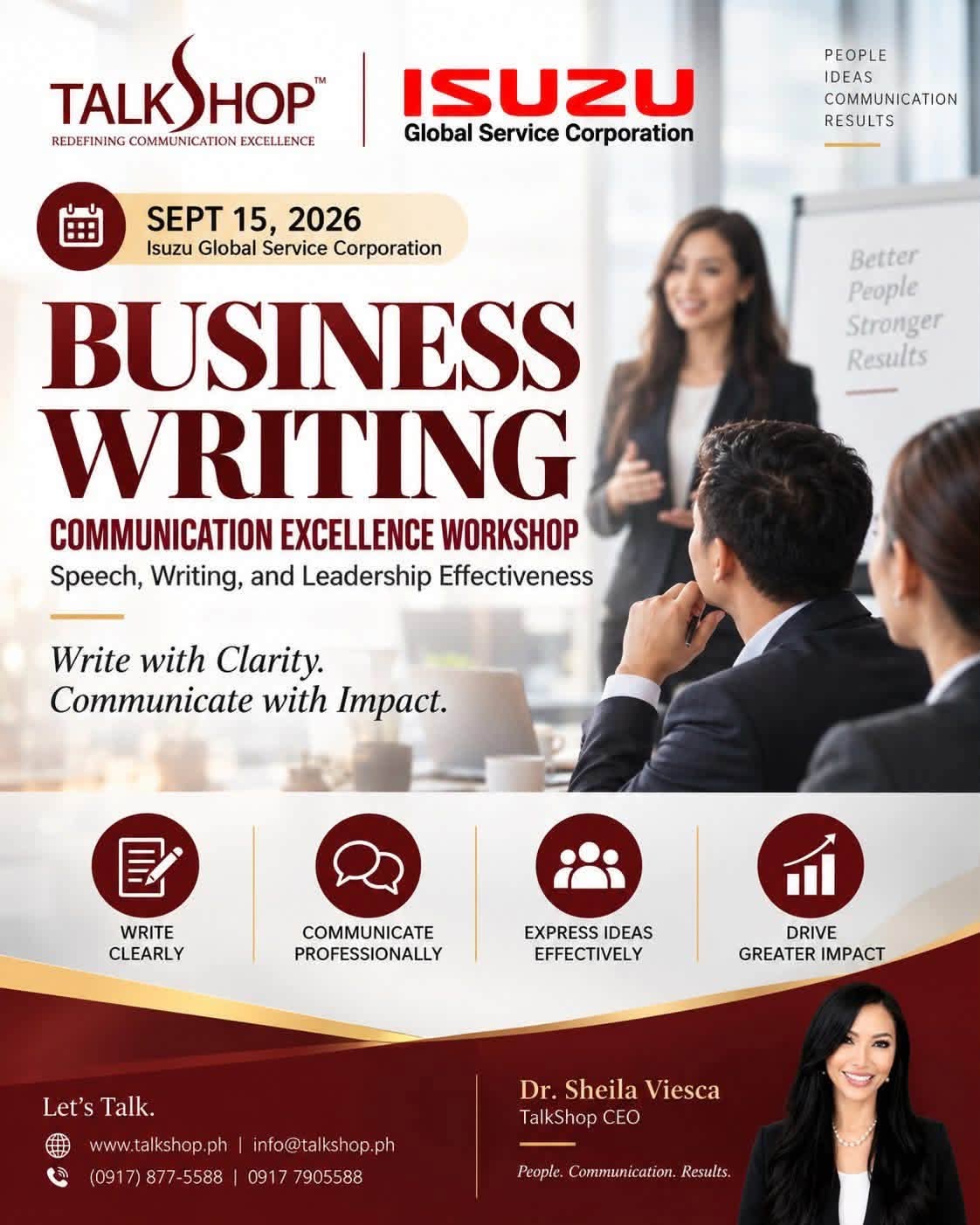
The TalkShop Approach: From Knowing to Enabling

The Isuzu program captures an important evolution in professional learning.

Organizations do not simply need people who know.

They need people who can explain what they know, adapt it to the audience, model it credibly, coach others through difficulty and transfer the capability forward.

That progression can be expressed simply:

KNOW → COMMUNICATE → FACILITATE → COACH → ENABLE

For Isuzu’s trainers and officers, professional excellence therefore meant more than becoming better presenters.

It meant becoming stronger multipliers of knowledge, culture and performance.


ABOUT TALKSHOP

TalkShop is an ISO-certified and Civil Service Commission-accredited learning and development organization established in 2000, specializing in customized competency development for corporations, government institutions, executives and professionals.

Led by Dr. Sheila Viesca, TalkShop develops learning interventions in executive and professional communication, trainer development, cross-cultural communication, behavioral development, leadership presence, public speaking, business and technical writing, negotiation, workplace wellness, professional protocol and customer engagement.

Its methodology combines contextualization, experiential practice, behavioral observation, reflection, coaching, structured feedback and workplace transfer—moving participants beyond knowing toward enabling others to perform.
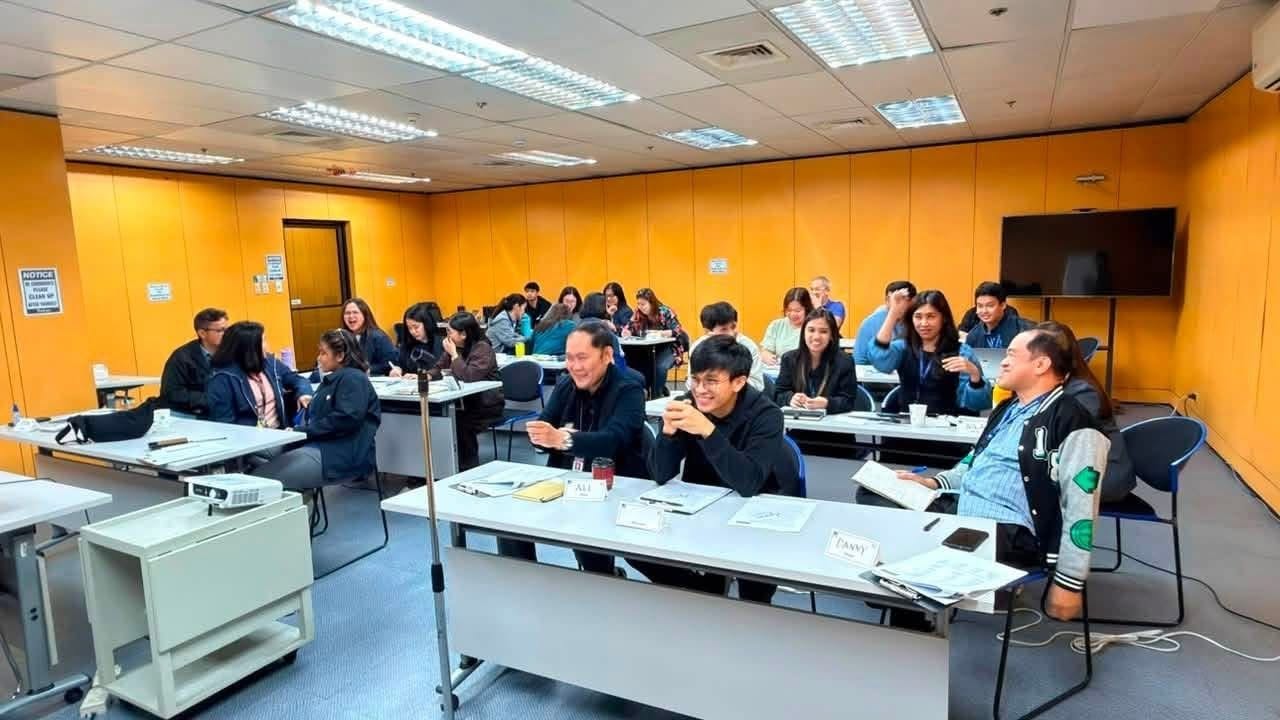
Two Decades of Learning: TalkShop and DBP Continue a Partnership in Communication Excellence

Three major writing programs in 2026 add a new chapter to a professional relationship between TalkShop and the Development Bank of the Philippines spanning roughly two decades

MANILA, PHILIPPINES — Some training engagements are measured in days. Others are better measured in decades.

For TalkShop and the Development Bank of the Philippines (DBP), a series of major writing programs in 2026 represents the latest chapter in a learning relationship that reaches back roughly two decades—one built around a continuing institutional need for professionals who can think clearly, write precisely and communicate with credibility.

Under the leadership of Dr. Sheila Viesca, CEO of TalkShop, DBP has been part of TalkShop’s government and financial-sector training portfolio across the years, with communication and writing remaining central areas of capability development.

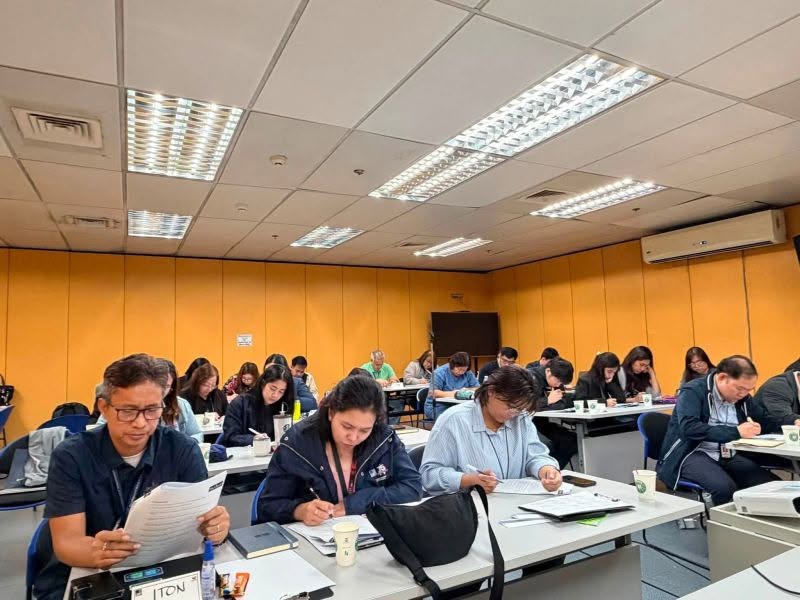
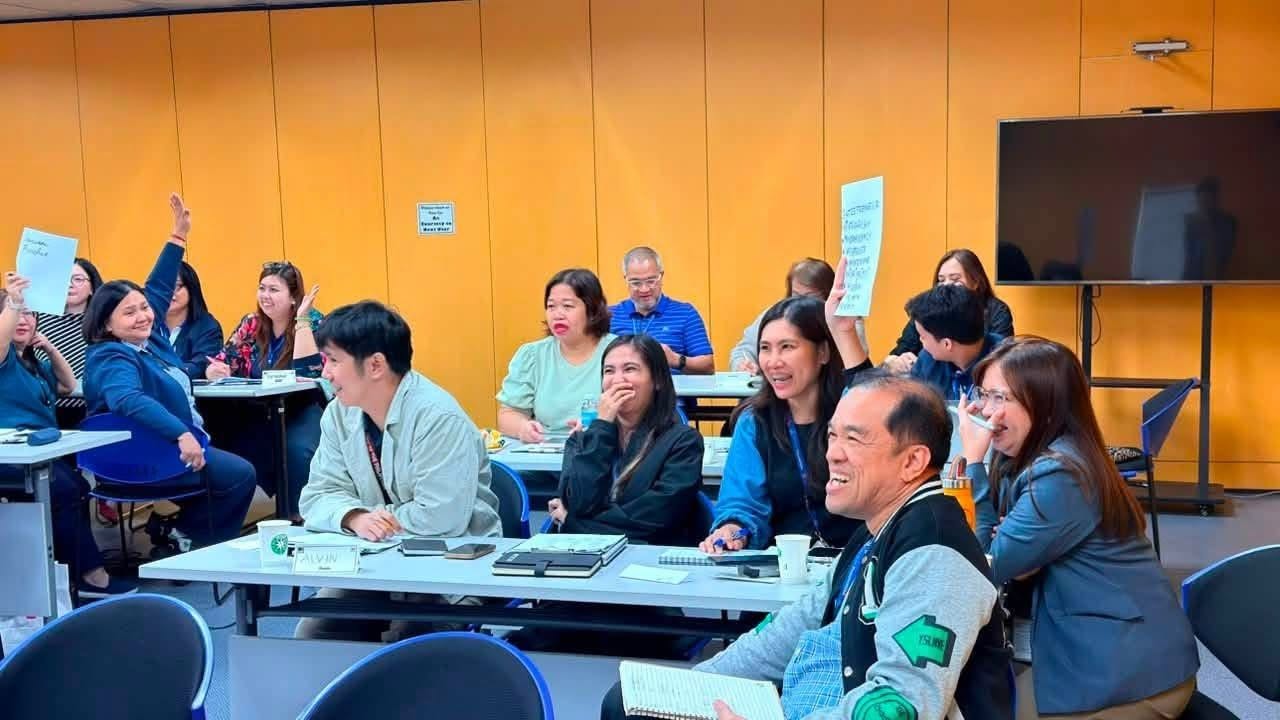
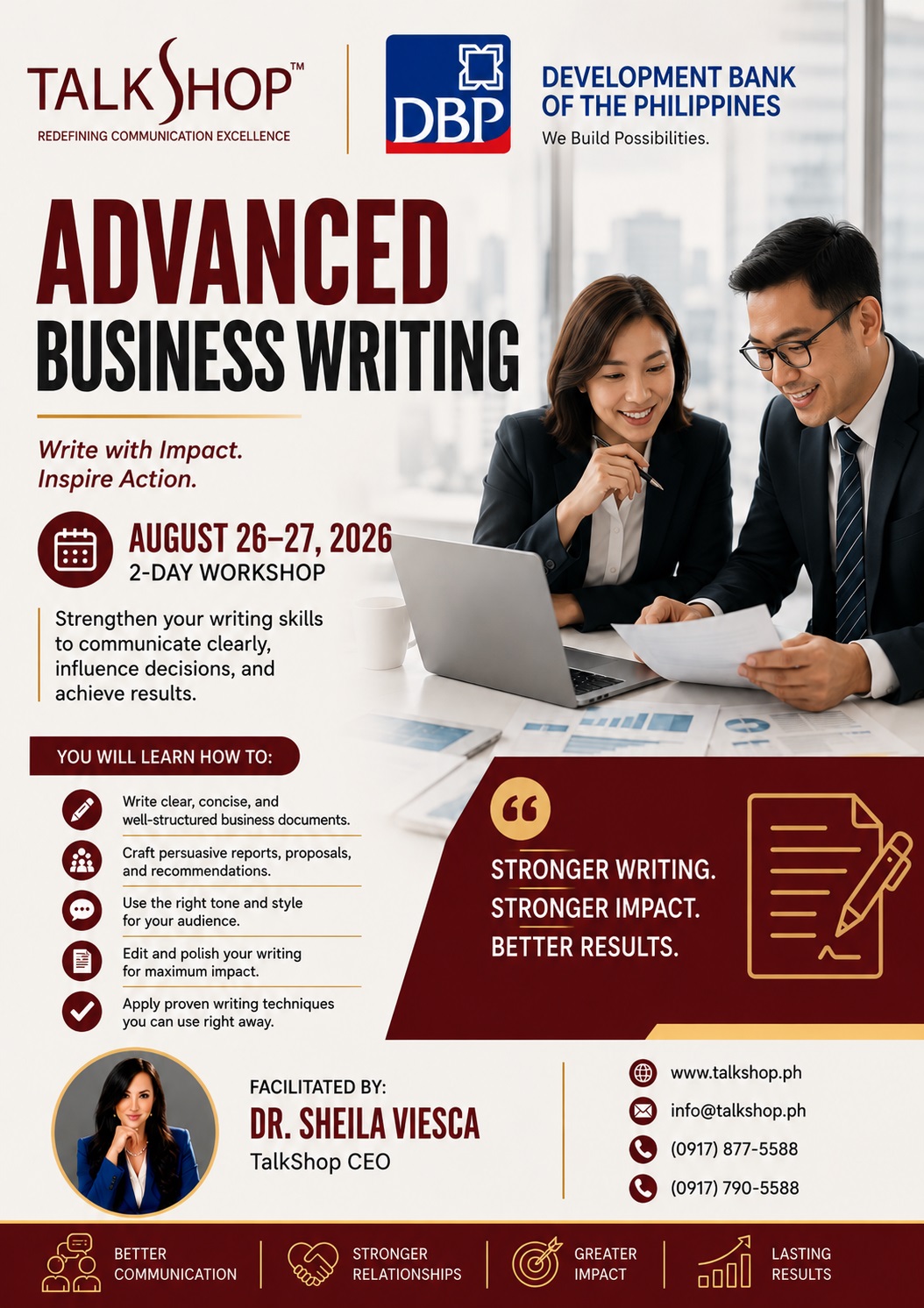
In 2026, that relationship continued through three intensive engagements: Technical Writing for Bankers on July 29–30, a follow-on Technical Writing program on August 12–13, and Advanced Business Writing on August 26–27.

The July program was explicitly developed around Technical Writing for Bankers, while the August series culminated in an Advanced Business Writing workshop designed to strengthen clarity, influence and results through professional writing.

Taken together, the programs demonstrate something more significant than repeat business.

They illustrate how a long-term learning partnership can continue evolving as the demands placed on professionals, institutions and written communication change.

When Writing Carries Institutional Weight

For a development bank, writing is rarely just writing.

A document may explain a technical matter.

A recommendation may influence a decision.

A report may become part of an institutional record.

An email may represent the professionalism of the organization before a client, colleague or stakeholder.

A poorly constructed sentence can therefore create consequences beyond grammar.

This formed the larger premise of TalkShop’s work with DBP: strong institutional writing requires disciplined thinking before polished language.

Participants were challenged to move beyond correctness and examine the qualities that make professional documents useful—clarity, conciseness, structure, audience awareness, accuracy, tone and purpose.

The Advanced Business Writing program further emphasized writing that can communicate clearly, influence decisions and achieve results.

From Technical Accuracy to Executive Clarity

Technical professionals frequently face a communication dilemma.

They know too much to write carelessly.

But when expertise produces unnecessary complexity, the reader may understand less rather than more.

TalkShop’s Technical Writing for Bankers program addressed that tension by developing the ability to preserve accuracy while improving readability.

The goal was not to oversimplify expertise.

It was to make expertise accessible enough to be acted upon.

Participants worked on the disciplines behind effective professional documents: identifying the real purpose, organizing information logically, distinguishing essential from secondary detail, anticipating the reader’s questions and expressing complex ideas with greater economy.

The standard was not merely:

Is this grammatically correct?

It was:

Will the intended reader understand what matters—and know what to do next?

Three Programs, One Continuing Development Path

The structure of the 2026 engagements also demonstrated the value of sustained capability building.

The July 29–30 Technical Writing for Bankers workshop established and reinforced core disciplines for professionals working with information that demands precision.

The August 12–13 follow-on Technical Writing engagement extended that learning.

The August 26–27 Advanced Business Writing workshop then moved further into higher-level professional communication—strengthening the ability to produce clear, concise and well-structured business documents and craft persuasive reports, proposals and recommendations while selecting an appropriate tone and style for the audience.

The progression reflects an important principle in organizational development:

Competency is strengthened through reinforcement, application and increasing levels of challenge.

One workshop can introduce a framework.

Repeated learning opportunities allow an institution to build a language and standard around it.

Writing in the Age of AI

The timing of advanced writing development also carries new significance.

Artificial intelligence can now produce competent-looking text within seconds.

That makes human judgment more—not less—important.

Professionals still have to determine whether information is accurate, whether the logic is sound, whether the tone fits the institutional context, whether the recommendation is defensible and whether the final document deserves to carry their name and their organization’s identity.

For banking professionals in particular, polished language cannot substitute for accuracy, accountability and sound reasoning.

The modern writing competency is therefore changing.

Professionals must know how to use technology without surrendering judgment to it.

As Dr. Viesca has expressed in her work on contemporary business writing:

“AI can generate the words. It cannot take responsibility for what they mean. Professional writing still requires a human being to decide what is accurate, what matters, and what deserves the institution’s name.”

— Dr. Sheila Viesca, CEO, TalkShop

Why Long-Term Learning Partnerships Matter

Organizations change.

Technology changes.

People move into new roles.

Communication channels multiply.

Standards rise.

For this reason, a training relationship that extends across years cannot survive by repeatedly delivering the same material.

It has to evolve.

The enduring dimension of the TalkShop–DBP relationship lies not in repeating a program from years earlier, but in returning to a fundamental organizational competency—communication—and continually adapting it to the demands professionals face now.

For TalkShop, that means customization remains central.

The language of banking is different from the language of infrastructure, agriculture, manufacturing or diplomacy.

Documents have different readers.

Decisions carry different consequences.

Training therefore becomes more valuable when participants can recognize their own professional environment inside the exercises, examples and standards being taught.

Two Decades Under Consistent Leadership

There is another dimension to the relationship.

TalkShop was established in 2000, and Dr. Sheila Viesca has remained at the center of its direction as CEO and lead consultant. Her professional portfolio over more than two decades has included DBP alongside government agencies, financial institutions, international organizations and corporations.

That continuity matters.

A long-standing institutional client is not simply encountering a company name across different training engagements.

It is working with a learning organization whose philosophy, standards and methodology have developed under consistent leadership while adapting to new generations of professionals and new workplace realities.

For Dr. Viesca, the relationship represents a principle that has guided TalkShop’s work since its early years:

“A long partnership should never mean delivering yesterday’s training again. Trust gives us the responsibility to keep listening, keep developing and keep raising the standard. The institution evolves, its people evolve, and the learning must evolve with them.”

— Dr. Sheila Viesca, CEO, TalkShop

Beyond Grammar: Building Institutional Communication Capability

The DBP programs also illustrate why TalkShop treats business and technical writing as organizational competencies rather than English lessons.

Strong writing depends on several capabilities operating together:

Critical thinking — knowing what matters.

Audience intelligence — understanding what the reader needs.

Structure — organizing information so reasoning can be followed.

Language discipline — expressing the message precisely and economically.

Professional judgment — choosing what should and should not be said.

Institutional awareness — recognizing that the document represents more than its individual writer.

Grammar supports all of these.

It does not replace them.

This distinction has shaped TalkShop’s communication programs across government and business: the objective is not simply to produce better sentences. It is to develop better professional communicators.

From Training Provider to Learning Partner

Three engagements within a matter of weeks could easily be presented as a list of completed workshops.

But the larger story lies elsewhere.

When viewed against the history between the two organizations, the 2026 DBP programs demonstrate the difference between a transactional training engagement and an enduring learning relationship.

A provider delivers a program.

A learning partner must continue asking:

What does the organization need now?

What has changed since the last intervention?

What competencies need reinforcement?

What higher standard should participants be able to demonstrate next?

That orientation has allowed TalkShop to work across different generations of professionals and changing organizational needs while maintaining a consistent emphasis on communication excellence.

A Partnership That Continues to Write Its Next Chapter

The three 2026 writing programs are consequently significant not because they stand alone, but because they do not.

They form part of a professional relationship between TalkShop and DBP that reaches back roughly two decades.

From earlier communication-development engagements to today’s Technical Writing for Bankers and Advanced Business Writing programs, the underlying purpose remains remarkably consistent:

help professionals communicate knowledge with greater clarity, precision and responsibility.

The tools have changed.

The workplace has changed.

The way professionals write has changed.

The need for clear thinking has not.

Two decades of partnership. New generations of professionals.                 An evolving communication standard.

For TalkShop and DBP, the work continues.

ABOUT TALKSHOP

TalkShop is an ISO-certified and Civil Service Commission-accredited learning and development organization established in 2000 and specializing in customized competency development for government institutions, financial institutions, corporations, executives and professionals.

Led by Dr. Sheila Viesca, TalkShop develops learning interventions in business and technical writing, professional and executive communication, public speaking, negotiation, leadership and behavioral development, workplace wellness, corporate and government protocol, customer engagement and professional presence.

Dr. Viesca’s professional portfolio spans more than two decades of capacity-building work with government agencies, financial institutions, international organizations and corporations.

TalkShop’s methodology emphasizes customization, experiential learning, critical thinking, behavioral application and workplace transfer—developing competencies participants can demonstrate long after a workshop ends.

TalkShop Prepares WorldSkills Philippines Competitors and Experts for Performance Under Pressure

TESDA–WorldSkills Philippines behavioral conditioning program integrates performance psychology, physical regulation, mental conditioning, journaling and reflective practice for competition excellence

PHILIPPINES — Technical mastery can prepare a competitor to perform a skill.

Competition pressure determines whether that mastery remains accessible when the clock starts, expectations rise and mistakes carry consequences.

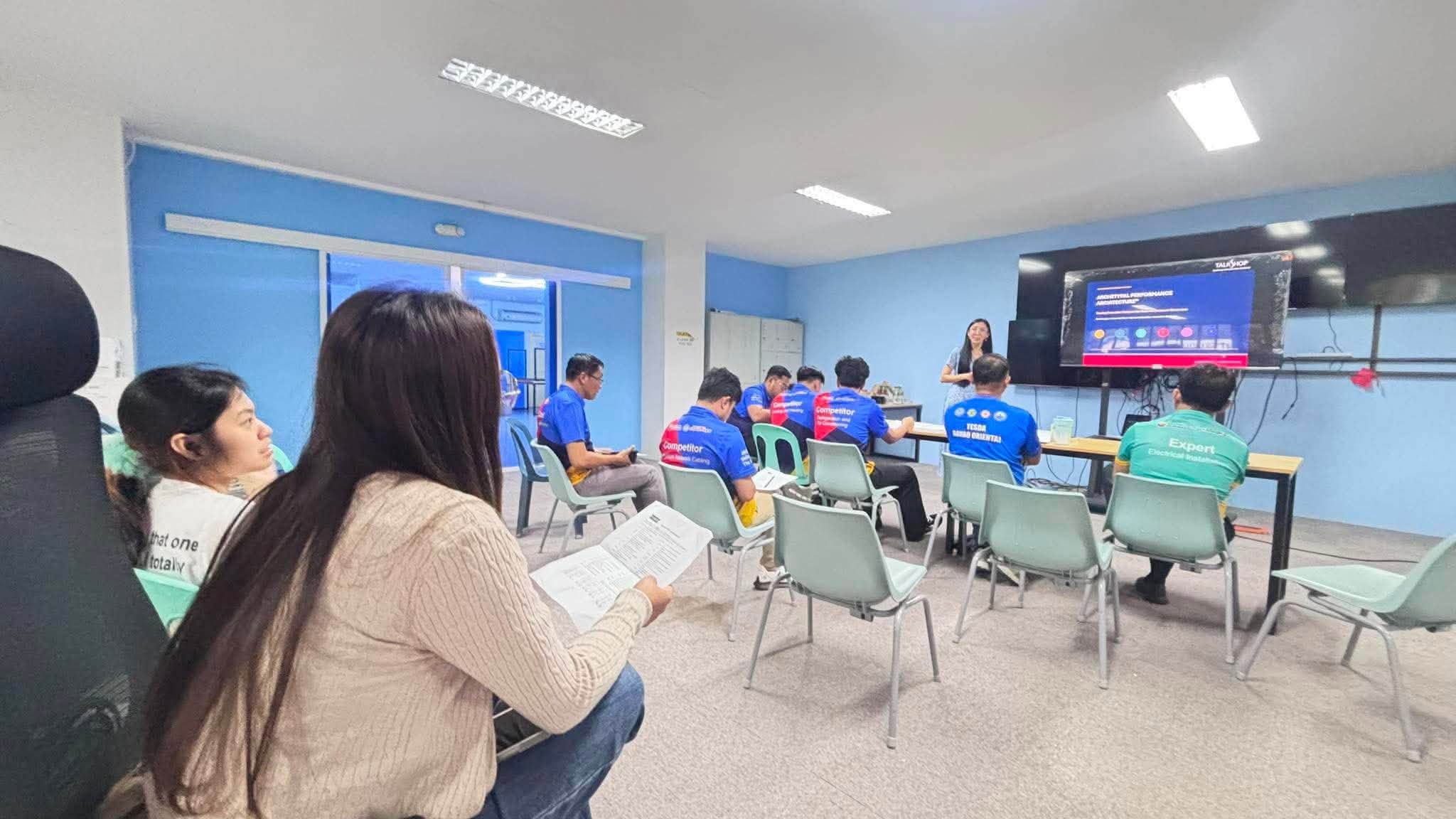
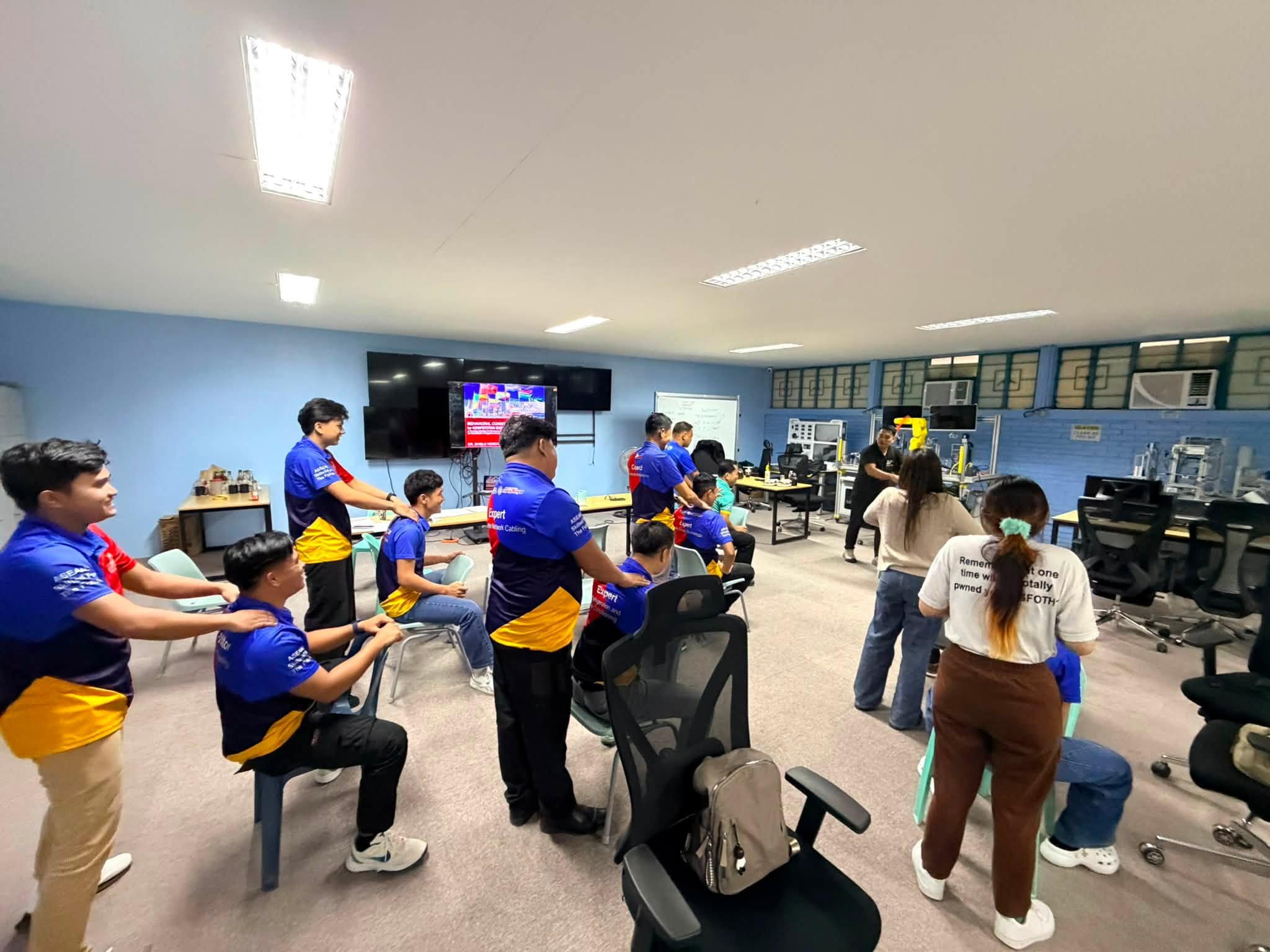
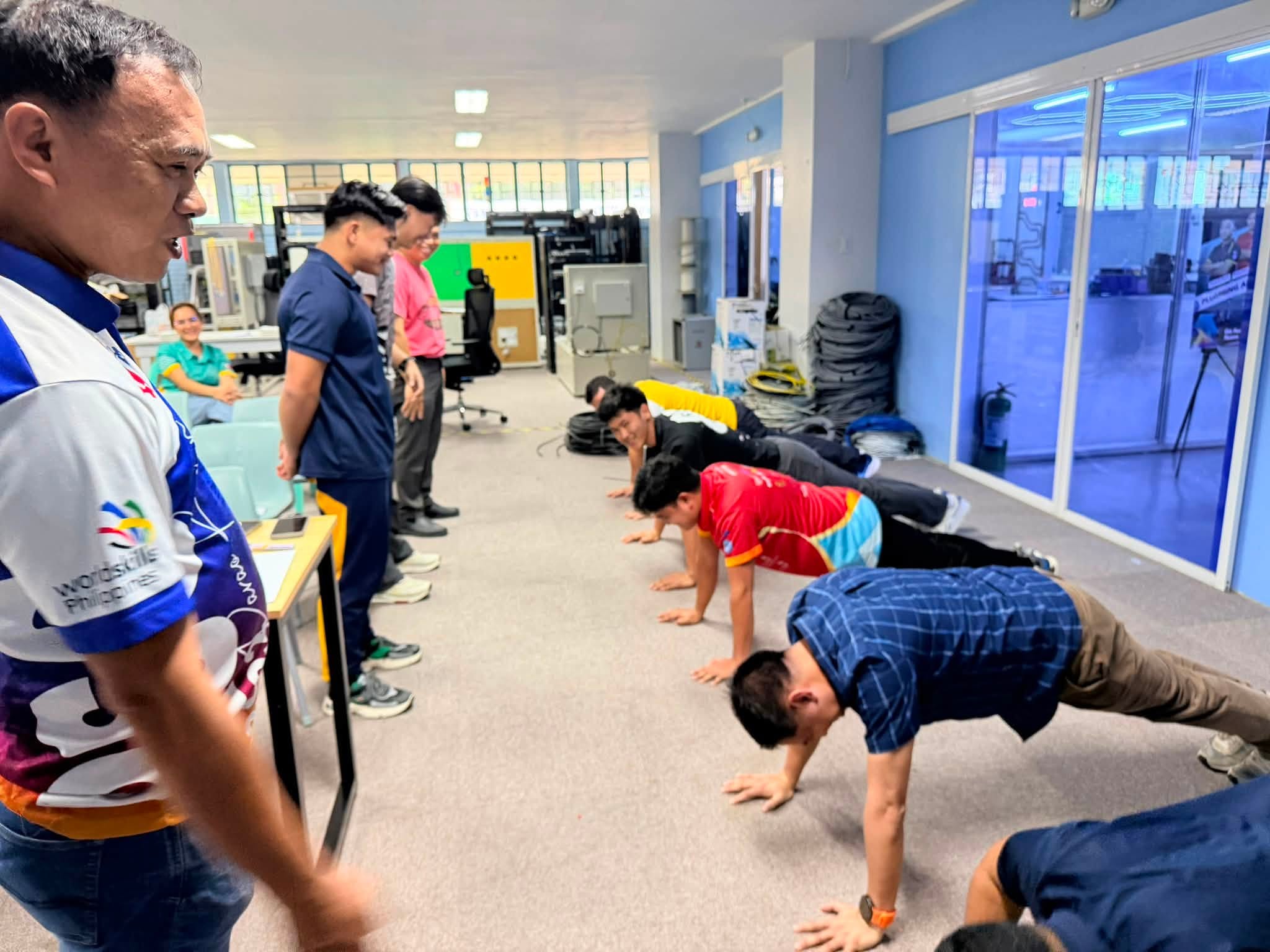
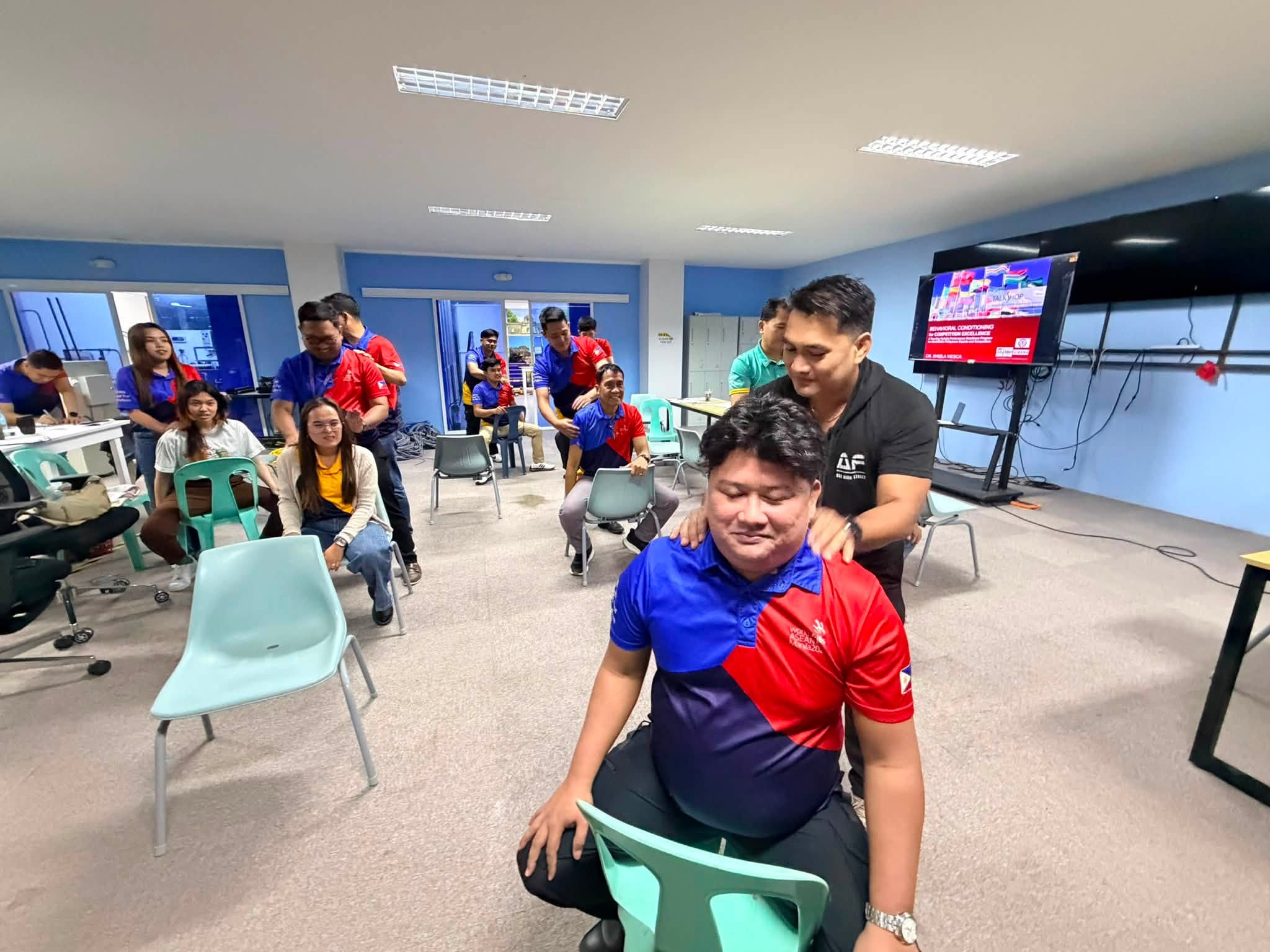
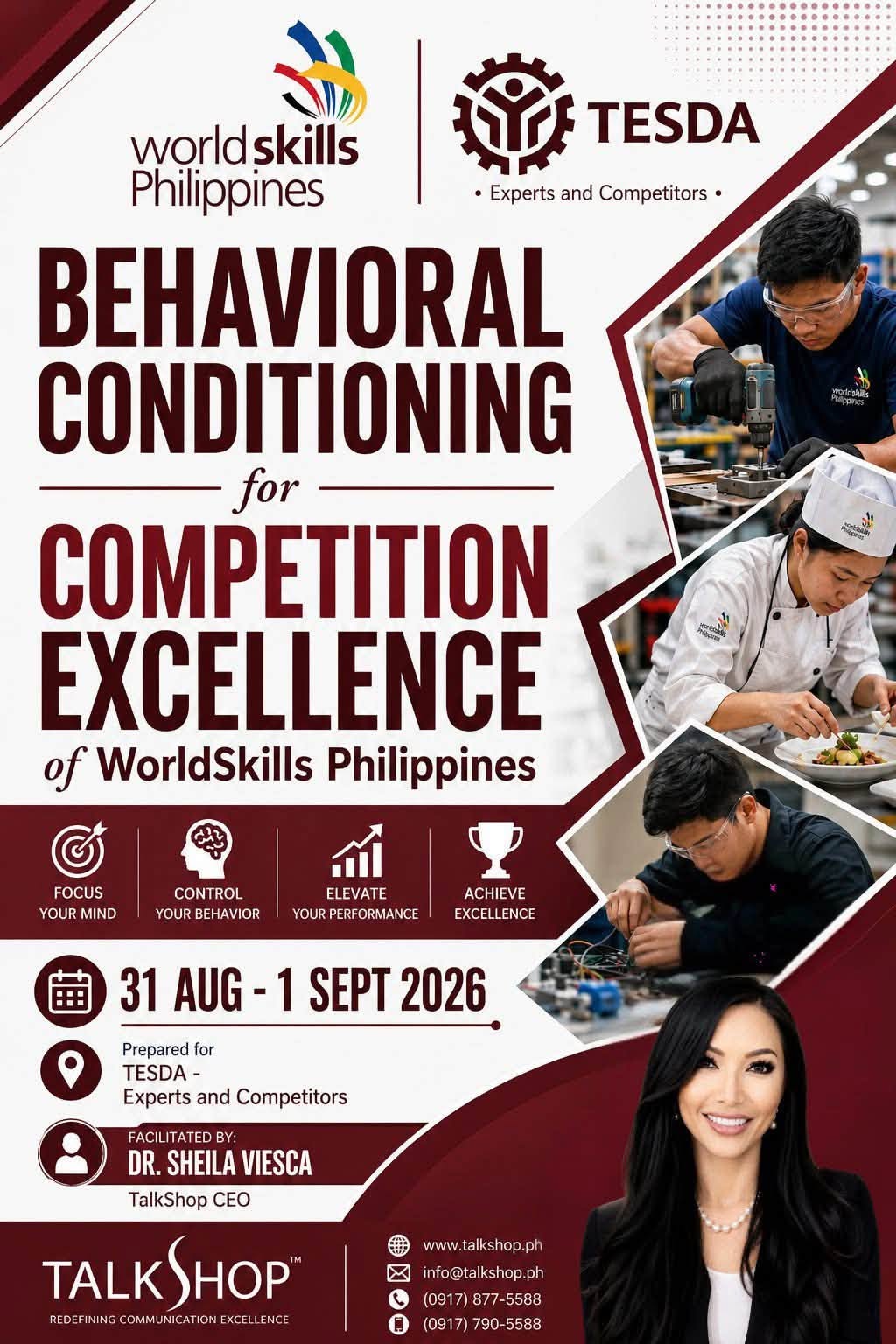
This human side of high performance became the focus of TalkShop’s Behavioral Conditioning for Competition Excellence, a two-day holistic performance-readiness program conducted for WorldSkills Philippines Experts and Competitors on August 31–September 1, 2026.

Designed and facilitated by Dr. Sheila Viesca, CEO of TalkShop, the program complemented technical preparation by developing four interconnected dimensions of competition readiness:

Physical readiness. Emotional regulation. Mental agility. Behavioral discipline.

The objective was not simply to motivate competitors before an important event.

It was to help them develop repeatable behaviors for performing under pressure.

When Technical Skill Meets Pressure

WorldSkills competitors operate in an environment where technical mastery must hold under time pressure, scrutiny, unfamiliar conditions, exacting standards and the emotional weight of representing the Philippines.

Experts carry a different but equally important responsibility: providing clear direction, steady support and fair judgment while preserving the competitor’s autonomy and concentration.

TalkShop therefore approached competition readiness as a whole-person performance system.

Participants examined how the body, emotions, thoughts and behavior interact under pressure and how seemingly small shifts in breathing, posture, attention, self-talk and recovery can affect execution.

The program proposition captured the distinction: Under pressure, competitors do not automatically rise to the level of intention; they rely on the quality of their preparation, practiced responses and recovery routines.

Training the State Before Testing the Skill

Participants practiced breathing, posture, grounding, pacing and recovery techniques designed to regulate energy and support composure.

Mental conditioning included attention control, visualization, constructive performance language, focus routines and decision protocols under time constraints.

Emotional conditioning addressed anxiety, distraction, frustration and mistakes—not by pretending those responses disappear in competition, but by developing practical ways to regulate them and return attention to the task.

The learning environment itself incorporated pressure.

TalkShop used behavioral simulations involving time, interruption, feedback and performance demands, followed by facilitator observation, peer feedback and structured debriefing.

The emphasis was on what participants could demonstrate:

How do you regulate?
How do you decide?
How do you communicate? How quickly do you recover?
What happens to your professionalism when pressure rises?

Conditioning the Competitor—and the Expert

One of the program’s important distinctions was recognizing that competitors and experts require different behavioral disciplines.

For Competitors, the emphasis included self-regulation, sustained attention, recovery from errors, confidence without over-arousal, disciplined execution and personal responsibility.

For Experts, the program emphasized calm leadership, precise instructions, observation without over-intervention, constructive feedback, emotional containment, consistency and trust-building.

For the Expert–Competitor pair, TalkShop addressed shared cues, communication boundaries, escalation signals, mutual respect and coordinated routines before and after performance.

This made behavioral conditioning not merely an individual exercise, but a matter of performance relationships.

Meditation and the Architecture of Performance

Guided visualization, breathing, focus and recovery practices added another dimension to the two-day intervention.

Selected reflective concepts from Dr. Viesca’s Executive Insights’ Mind Architecture™ podcast complemented the behavioral-conditioning experience, particularly themes around entering a performance state, physical awareness, recovery and mental freedom.

The integration was deliberate.

Meditation was not positioned as an escape from competitive pressure. It was used as a method of attention management and state preparation—creating enough mental space for participants to notice what was happening internally and choose the next useful response.

The podcast consequently served as more than supplementary media.

Participants encountered Dr. Viesca’s reflective content through its application to the performance challenge they were preparing to face.

They experienced the content before being asked to remember the platform.

This allowed TalkShop to introduce an ongoing digital learning resource without interrupting the integrity of the training experience.

A Learning Ecosystem Rather Than a Lecture

The WorldSkills program demonstrated TalkShop’s broader approach to capability development.

The body was trained through breathing, posture and grounding.

Emotion was addressed through regulation and recovery.

The mind was trained through focus, visualization and constructive self-talk.

Behavior was tested through simulations and feedback.

Meditation created space for attention and recovery.

Action planning converted learning into routines participants could continue practicing.

The result was a more comprehensive model of behavioral conditioning—one that recognizes that excellent performance rarely comes from one dimension of the person alone.

“Technical excellence matters enormously. But under pressure, skill must still pass through the human being performing it. We condition the body, attention, emotional response and behavior so that when pressure arrives, the competitor has something practiced to return to.”

— Dr. Sheila Viesca, CEO, TalkShop

From Motivation to Measurable Readiness

TalkShop’s methodology was intentionally experiential and reflective.

Short inputs were converted immediately into guided practice so participants could develop usable habits rather than merely discuss performance concepts.

Learning evaluation included a pre- and post-readiness pulse, facilitator observation during pressure simulations, peer feedback, individual action plans and final behavioral commitments.

Expected outputs included a four-domain performance-readiness self-assessment, physical and emotional reset routines, personal focus cues, a mental rehearsal script, mistake-recovery and decision protocols, an Expert–Competitor communication pact, and an individual competition-day playbook.

Participants also developed a month-long conditioning commitment, extending the intervention beyond the two training days.

The measurement standard was therefore not simply whether participants understood behavioral conditioning.

It was whether they could regulate, decide, communicate, recover and remain professional when conditions became more demanding.

Developing Skills—and the People Who Must Perform Them

The WorldSkills Philippines engagement broadens TalkShop’s work in government capability-building into an area increasingly relevant to organizations across sectors: human performance under pressure.

For competitors, that pressure may come from a clock, a judging environment and international standards.

For government professionals, it may come from public accountability, operational demands and stakeholder expectations.

For executives and multinational teams, it may appear in negotiations, presentations, deadlines, organizational change and high-stakes decisions.

Different environments demand different technical competencies.

But the human performance questions remain strikingly similar:

Can you stay composed?
Can you focus?
Can you adapt?
Can you recover from an error?
Can you communicate clearly?
Can you perform when the conditions are no longer comfortable?

That is where behavioral conditioning moves from personal development into professional capability.

TalkShop’s Whole-Person Approach to Competency Development

The WorldSkills engagement also illustrates the breadth of TalkShop’s learning architecture.

Its programs can combine evidence-informed learning, experiential practice, behavioral observation, communication coaching, personality and self-awareness tools, creative journaling, reflective audio, meditation, performance simulations and post-training action planning according to the requirements of the client and competency being developed.

The objective is not to add activities for variety.

Every method must answer the same question: Does it help the participant perform differently when it matters?

For WorldSkills Philippines, the answer was translated into four dimensions:

Prepare the body.
Regulate the emotion.
Focus the mind.
Discipline the behavior.

Because when excellence is tested under pressure, preparation must extend beyond knowing what to do.

It must include conditioning how to respond when doing it becomes difficult.

ABOUT TALKSHOP

TalkShop is an ISO-certified and Civil Service Commission-accredited learning and development organization specializing in customized competency development for government institutions, corporations, executives and professionals.

Led by Dr. Sheila Viesca, TalkShop develops programs in professional and executive communication, behavioral development, leadership presence, workplace wellness, public speaking, corporate and government protocol, negotiation, business and technical writing, customer engagement and professional presence.

Its learning methodology combines diagnostic customization, experiential practice, behavioral feedback, reflective learning and workplace or performance transfer—moving participants from understanding a competency to demonstrating it when it counts.

Strengthening Workplace Resilience and Performance

Three-day Time and Stress Management program integrates practical workplace tools, behavioral reflection, journaling and meditation for a more holistic approach to sustainable performance

BICOL REGION, PHILIPPINES — In public service, pressure is rarely optional. Deadlines converge. Priorities change. Operational concerns demand immediate attention. The challenge is not simply learning how to work faster, but knowing what deserves attention, how to remain effective under pressure, and how to sustain performance over time.

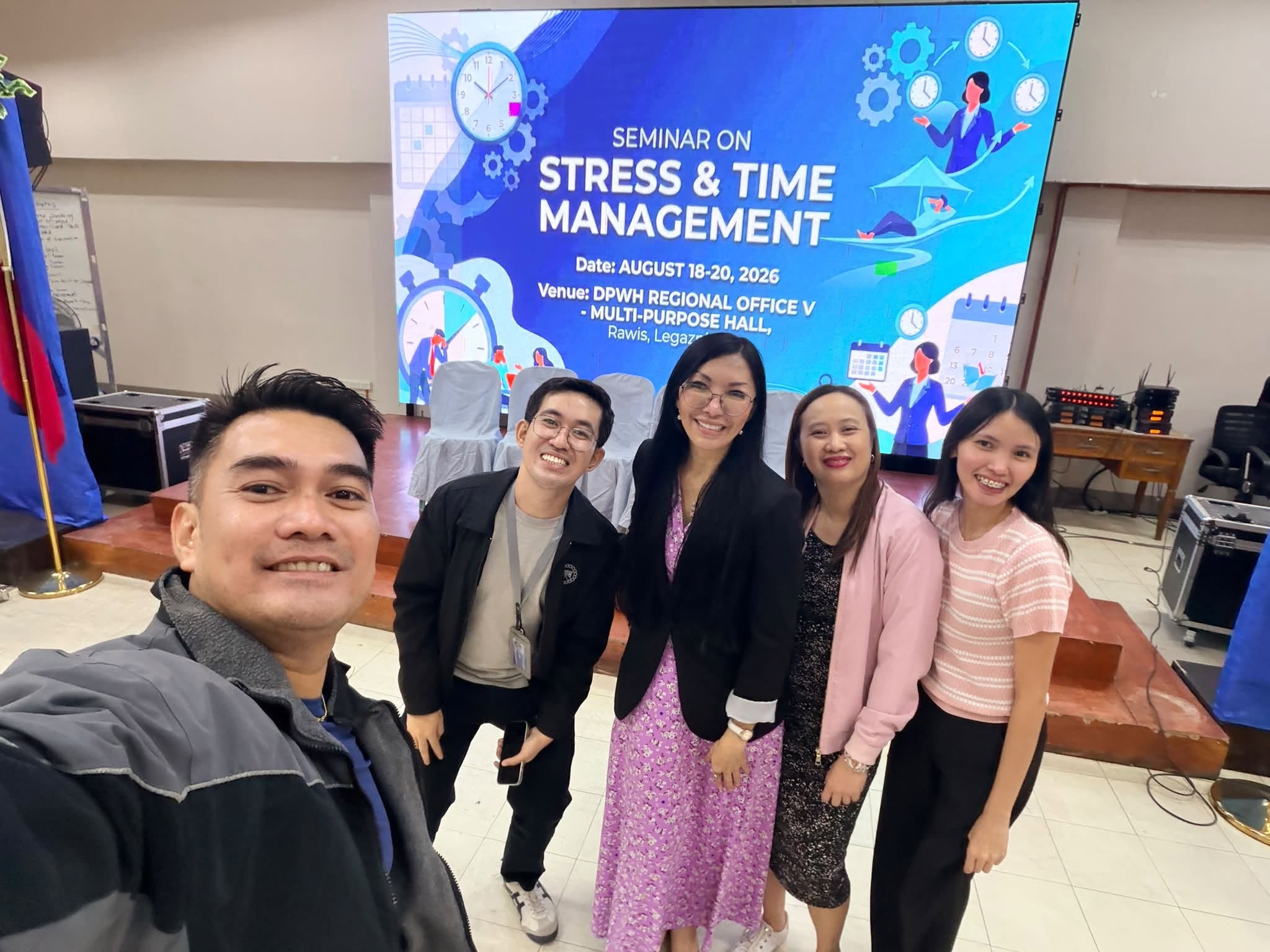
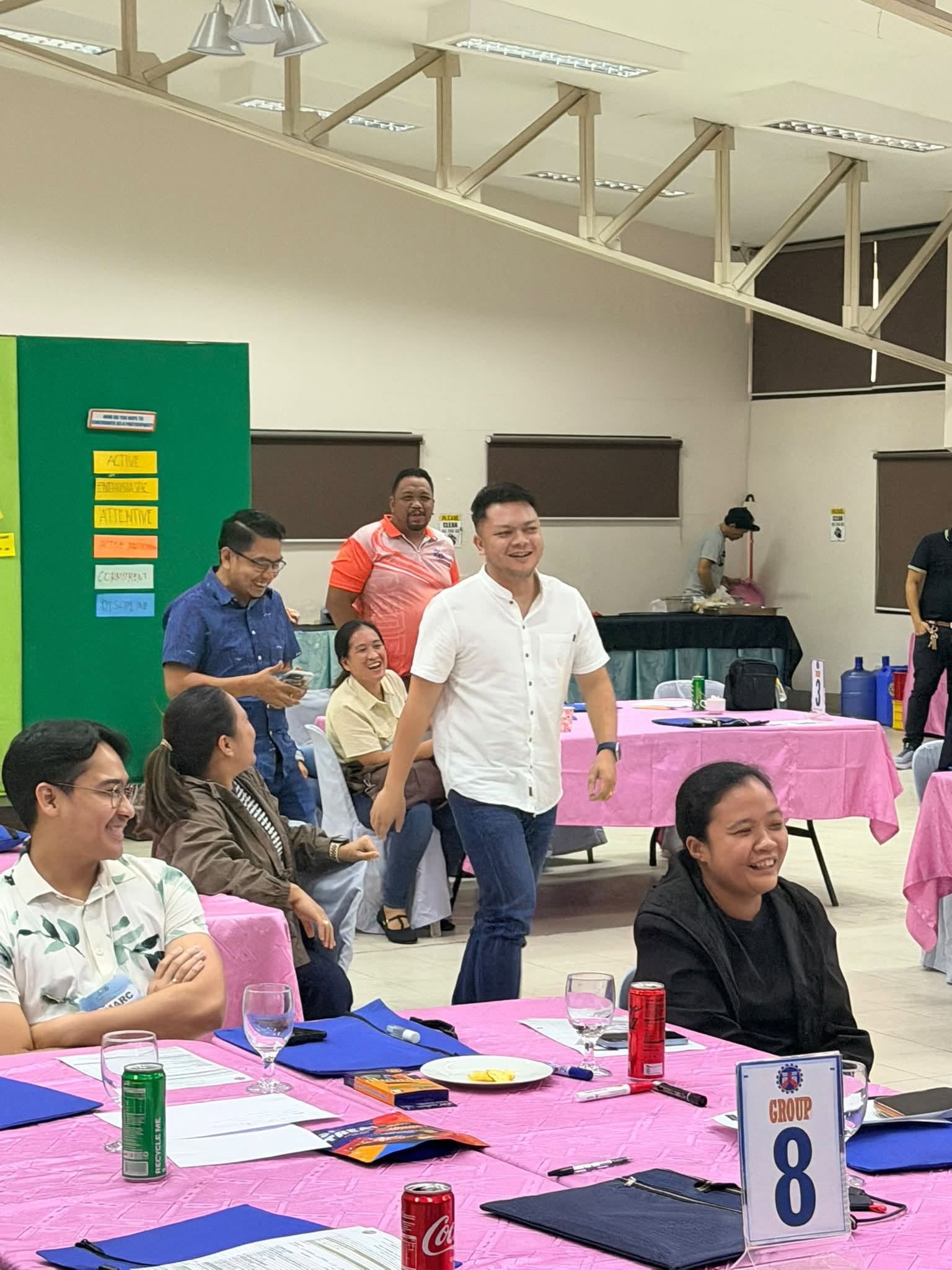
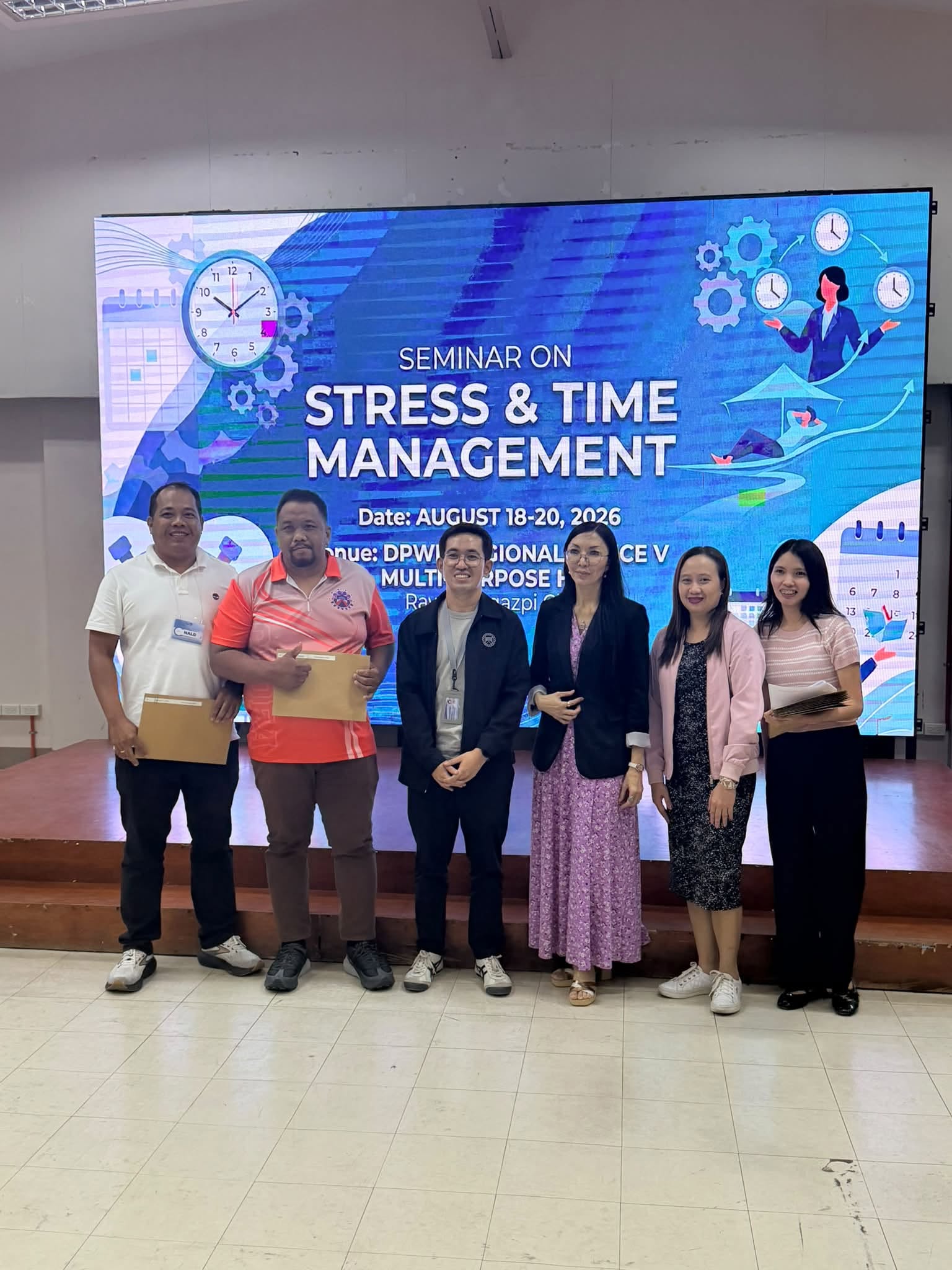
This was the focus of TalkShop’s three-day Time and Stress Management Training for personnel of the Department of Public Works and Highways Regional Office V, conducted on August 18–20, 2026 as a customized learning and development intervention.

Facilitated by Dr. Sheila Viesca, CEO of TalkShop, the program combined time-management strategy, stress resilience, behavioral awareness, workplace wellness and practical application with two less conventional learning tools: guided meditation and reflective journaling.

Together, these elements demonstrated TalkShop’s comprehensive approach to competency development—addressing not only what professionals know, but also how they think, respond, reflect and translate insight into behavior.

Managing Pressure Without Allowing Pressure to Manage Performance

A central idea ran through the program:

Being busy is not necessarily the same as being productive.

Participants examined how workplace pressures—including interruptions, staffing shortages, changing priorities and unplanned work—interact with behaviors within one’s control, such as overcommitting, difficulty delegating and ineffective prioritization.

The objective was not to create a workplace without pressure.

It was to develop professionals who can respond to pressure with greater clarity, composure and judgment.

When Everything Feels Urgent, What Actually Matters?

Using a four-quadrant Time Management Matrix, participants learned to separate urgency from importance and assign work to four practical responses:

DO NOW — important and urgent
SCHEDULE — important but not urgent
DELEGATE — urgent but not important
LIMIT — neither important nor urgent

The distinction was deliberately simple:

Urgency asks, “How soon?” Importance asks, “What consequence?”

Participants then applied the framework to workplace decisions, examining what should be acted on immediately, protected on the calendar, delegated, negotiated or removed.

The larger lesson: constant response can look like productivity while quietly displacing the work that matters most.

From Time Management to Self-Management

TalkShop reframed time management as something broader than calendars and schedules.

Time itself cannot be expanded. What professionals can manage are their choices, attention, priorities, boundaries and energy within the time available.

Using tools including the Johari Window, participants examined visible habits and potential blind spots—from unrealistic estimates and unnecessary interruptions to private workload pressures and difficulty requesting support.

Personality-driven workplace patterns were also incorporated, helping participants recognize how different people respond to deadlines, communication, pressure and competing priorities.

The aim was not to prescribe one ideal working style. It was to strengthen the capacity to recognize a pattern and adjust one’s response when circumstances require it.

Writing to Think: Journaling as a Workplace Reflection Tool

Another distinctive component brought participants away from screens and presentation slides and back to something deceptively simple: the written word.

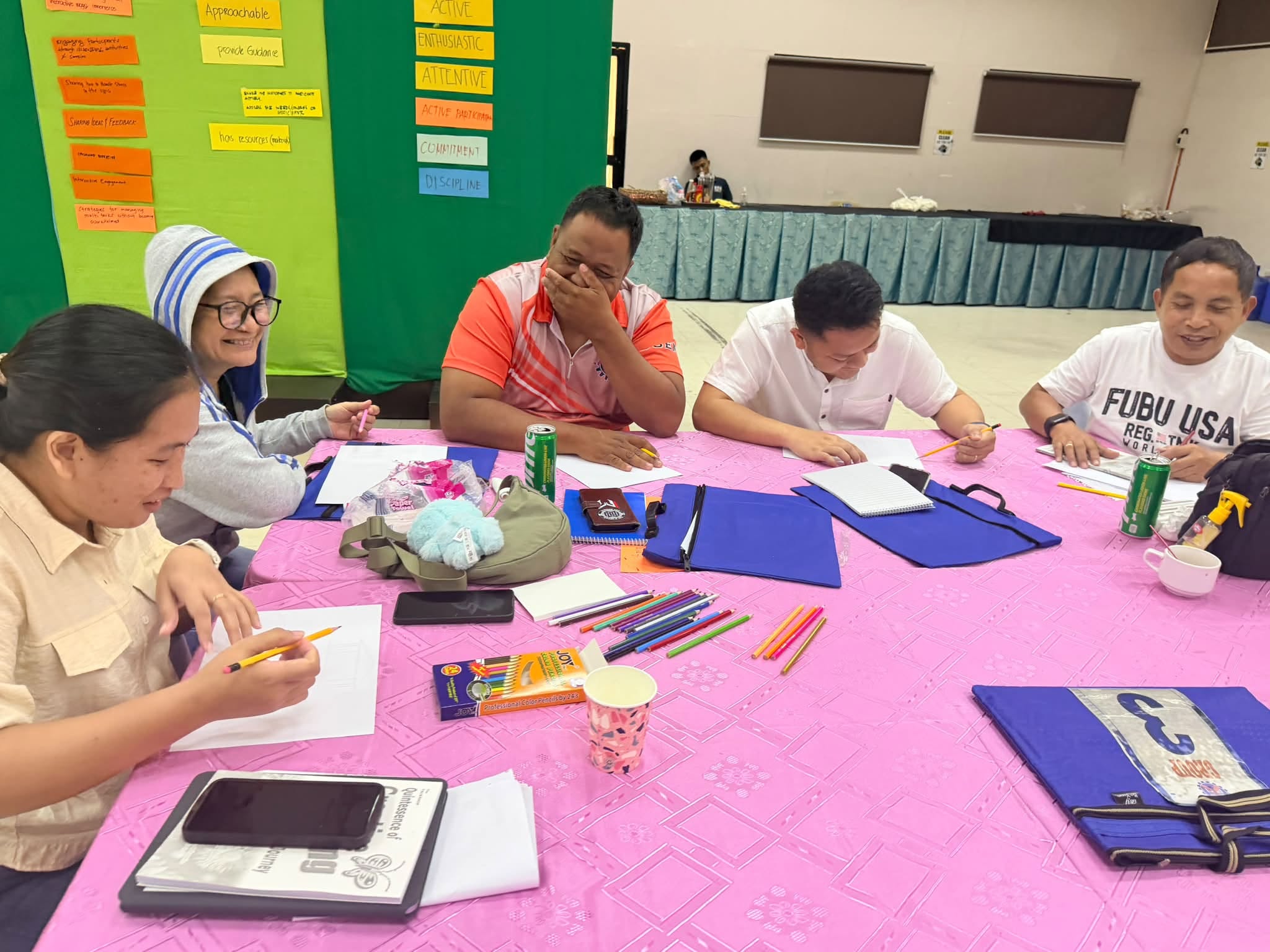
Reflective journaling was incorporated into the learning process using Dr. Sheila Viesca’s creative writing book as a companion resource.

The activity was not introduced as a writing exercise for literary performance. Instead, writing became a structured method for slowing thought, identifying patterns, naming pressures, processing experience and converting abstract insight into personal action.

Participants were invited to examine questions that conventional productivity discussions can easily overlook:

What repeatedly consumes my attention?

What can I control?

What am I carrying that no longer deserves the same mental space?

What behavior is contributing to my own pressure?

What needs to change when I return to work?

The exercise demonstrated an important aspect of TalkShop’s methodology: reflection is not separate from performance.

Professionals who can identify their own patterns are better positioned to interrupt unproductive ones.

The creative writing resource therefore became more than a book used during training. It demonstrated how TalkShop’s original intellectual and creative materials can be integrated into structured organizational learning.

Meditation as a Practical Workplace Tool

The reflective writing experience was complemented by guided meditation and reflective audio.

Rather than positioning meditation as an unrelated wellness activity, TalkShop connected it directly to mental recovery, self-regulation, attention, composure and the ability to create space between pressure and response.

Selected content from Dr. Sheila Viesca’s Executive Insights’ Mind Architecture™ podcast on Spotify was incorporated into reflective portions of the program, including “The Quiet Before Excellence.”

Participants were encouraged to listen without immediately trying to solve a problem, identify an insight worth carrying forward and recognize mental noise they were ready to release.

The integration also provided an organic introduction to the podcast as a continuing source of reflection and professional-development content.

Participants experienced the material because it served the learning objective first. Awareness of the platform followed naturally.

Read. Write. Reflect. Apply.

Together, the journaling and meditation components created a learning sequence that extended beyond conventional seminar delivery:

LEARN — understand the concept.

EXAMINE — recognize how it appears in one’s own behavior.

WRITE — articulate what may otherwise remain vague or unexamined.

REFLECT — create mental space to process the insight.

APPLY — convert the insight into a deliberate workplace behavior.

This approach illustrates TalkShop’s broader view of professional development.

Competency building can engage the cognitive, behavioral, reflective and experiential dimensions of learning rather than relying on information transfer alone.

A participant may understand a time-management matrix intellectually. Journaling can reveal why that person continues to overcommit. Reflection can make the pattern more visible. Behavioral practice can then provide a different response.

That is where knowledge begins to become change.

Turning Stress Awareness Into Practical Action

Stress management was consequently treated as a professional skill rather than a purely personal concern.

Participants explored conditions that can intensify stress and learned to distinguish between circumstances they could influence and those requiring adaptation.

The program connected awareness to practical workplace responses: clarifying priorities, negotiating realistic deadlines, establishing healthy boundaries, asking for support, scheduling recovery and taking deliberate action on controllable stressors.

One principle was particularly relevant:

Sustainable high performance is not maximum intensity maintained indefinitely. It is the ability to produce strong results while managing energy, priorities, recovery and well-being over time.

Designing Work Before It Becomes an Emergency

Participants were also challenged to look beyond surviving deadlines and identify what could be done earlier to prevent recurring responsibilities from repeatedly becoming emergencies.

Practical exercises included reviewing commitments, identifying key outcomes, blocking preparation time, building buffers into schedules and planning recovery.

This moved the conversation from reactive time management to preventive performance management.

From Insight to Behavioral Commitment

Reflection and commitment exercises required participants to identify behaviors they could realistically carry into their work.

Rather than leaving with a long list of intentions, participants were encouraged to select a specific action, schedule it and create accountability around it.

The principle was straightforward:

One practical commitment is more valuable than ten intentions.

A More Holistic Model of Workplace Learning

For TalkShop, the DPWH engagement demonstrates what a more comprehensive model of organizational learning can look like.

Strategy addressed the work.
Behavioral tools addressed the response.
Journaling addressed reflection.
Meditation addressed attention and recovery.
Application connected everything back to performance.

None was intended to stand alone.

Together, they allowed participants to engage with time and stress from several directions—analytically, behaviorally, personally and experientially.

“Time management is ultimately not about squeezing more work into every hour. It is about developing the judgment to know what deserves our attention, the self-awareness to recognize the patterns that work against us, and the composure to respond well when circumstances change. Sustainable performance requires productivity, reflection and recovery.”

— Dr. Sheila Viesca, CEO, TalkShop

Learning That Continues Beyond the Training Room

The integration of Dr. Viesca’s creative writing resource and Mind Architecture™ podcast also demonstrates another dimension of TalkShop’s learning model: development need not stop when participants leave the venue.

Books, journals, podcasts, reflective exercises and other original learning content can create continuity between a facilitated intervention and everyday professional life.

Importantly, the resources were not inserted simply as promotional materials.

They were used.

Participants encountered them as part of the learning experience—giving the resources relevance before introducing them as platforms for continued development.

This creates a more natural relationship between training and thought leadership: the content demonstrates its value before the brand asks for attention.

One Standard Across Government and Business

Government agencies need personnel who can manage priorities, remain composed under public-service demands and sustain professional effectiveness.

Corporations and international organizations similarly require professionals who can navigate deadlines, competing responsibilities, stakeholder expectations and increasingly complex work environments.

The setting changes.

The standard does not.

The measure of training is therefore not simply whether participants enjoyed a workshop or understood a framework.

The stronger question is: What will they do differently when Monday comes?

At DPWH Regional Office V, Time and Stress Management became more than a discussion about coping with demanding work.

It became an exercise in choosing priorities deliberately, understanding one’s own patterns, creating space for reflection and building professional habits capable of sustaining performance over time.


ABOUT TALKSHOP

TalkShop is an ISO-certified and Civil Service Commission-accredited learning and training organization specializing in competency development for government institutions, corporations, executives and professionals.

Led by Dr. Sheila Viesca, TalkShop develops customized learning interventions in professional and executive communication, leadership and behavioral development, workplace wellness, public speaking, corporate and government protocol, business and technical writing, negotiation, customer engagement and professional presence.

Its learning methodology combines diagnostic customization, experiential practice, behavioral feedback, reflective writing, multimedia learning reinforcement and workplace transfer—moving participants from knowing, to examining, to practicing, to demonstrating.

TalkShop Strengthens Government Communication Competencies Through DA-PCC Workforce Upskilling Program

Nearly 90 DA-PCC personnel undergo intensive training in public speaking, corporate hosting and professional presence

SCIENCE CITY OF MUÑOZ, NUEVA ECIJA — Technical expertise carries greater public value when people can understand it.

That principle shaped a two-day competency development program conducted by TalkShop for the Department of Agriculture–Philippine Carabao Center (DA-PCC), bringing together approximately 90 employees—78 onsite and 12 from regional centers participating online.

Held on September 3–4, 2026 at the PCC National Headquarters and Gene Pool in Science City of Muñoz, the 16-hour hybrid workshop, “Public Speaking, Corporate Hosting, and Personality Development for DA-PCC,” was designed to strengthen the communication competencies required of government professionals who regularly represent their institution before farmers, industry partners, government officials, technical communities and the public.

A. From Knowledge to Public Trust

Designed and facilitated by Dr. Sheila Viesca, CEO of TalkShop, the program went beyond conventional public-speaking instruction.

Participants trained in audience-centered communication, voice projection and modulation, stage presence, professional image, corporate and government hosting, scriptwriting, protocol, event-flow management, moderation and handling unexpected situations during official programs.

The learning theme captured the larger purpose:

“From Knowledge to Public Trust: Clear Voices. Credible Presence. Purposeful Government Service.”

The premise was practical: every presentation, stakeholder meeting, conference, ceremony, media encounter or public explanation becomes an opportunity to strengthen—or diminish—institutional credibility.

B. Turning Technical Knowledge Into Understandable Communication

A distinctive feature of the workshop was its emphasis on application.

In the “Translate the Science” exercise, DA-PCC professionals took technical concepts such as breeding, dairy safety, animal health, forage, genetics and enterprise support and explained the same concept to three different audiences: a farmer, an LGU leader and a student.

The challenge was to change the language and examples without compromising scientific accuracy—an essential competency for professionals who must move between technical and public-facing environments.

Participants also underwent a two-minute speaking challenge built around the question:

“How does my work contribute to the DA-PCC mission?”

Performance was examined according to purpose and key message, structure and evidence, audience relevance, voice and language, and presence and connection.

TalkShop introduced practical communication frameworks for workplace application, including PREP for concise responses, C.A.R.E. for managing questions, an Audience Compass for adapting communication to different stakeholders, and the TRUST Message Test—True, Relevant, Understandable, Service-Oriented and Timely.

C. From Learning to Demonstration

Corporate hosting and government protocol formed another major component of the program.

Participants worked on hosting language, introductions, transitions, acknowledgments, script development, professional decorum and event contingencies before moving into practical demonstrations.

The culminating activity required teams to deliver an eight- to 10-minute DA-PCC event segment, evaluated on script accuracy and event logic, hosting voice and language, presence and audience connection, protocol and professionalism, and recovery, teamwork and timing.

This performance-based approach reflects a central principle in TalkShop’s methodology: competency should ultimately become observable behavior.

Training therefore moved through diagnosis, skill building, rehearsal, demonstration, feedback and workplace application rather than ending with classroom discussion.

D. Building Capability Beyond the Training Room

Participants assessed their development across seven areas: message clarity, audience focus, voice, presence, hosting, protocol and recovery under changing circumstances.

The program concluded with individual communication commitments and a 30-day action plan requiring participants to identify a specific behavior to practice, a real DA-PCC assignment where it could be applied, a colleague who could provide feedback and a visible indicator of progress.

The intended workplace outputs included usable hosting scripts, speaking frameworks, event-management tools and individual improvement plans for future DA-PCC activities.

For Dr. Viesca, the connection between communication and institutional credibility is fundamental.

“Expertise has greater public value when people can understand it. When a government professional speaks to a farmer, briefs an executive, faces the media or stands before an audience, communication becomes part of public service. We are developing more than confident speakers. We are developing professionals who can carry the credibility of their institution every time they communicate.”

— Dr. Sheila Viesca, CEO, TalkShop

E. One Standard Across Government and Business

The DA-PCC engagement reflects a broader competency challenge confronting both public institutions and businesses: organizations need professionals who can combine technical expertise with clarity, judgment, adaptability and credible professional presence.

For government agencies, these competencies support stakeholder engagement, public communication and professional representation.

For corporations and international firms, the same capabilities influence executive communication, client relationships, cross-cultural collaboration, presentations and stakeholder confidence.

The setting changes. The standard does not.

TalkShop’s work with DA-PCC demonstrates a training philosophy increasingly relevant across sectors: professional development should not end with what participants know.

It should be visible in what they can do differently afterward.

The two-day program closed with a message that captured that standard:

“Speak with clarity. Host with composure. Represent with integrity.”

For TalkShop, that is where training becomes organizational capability.


About TalkShop

TalkShop is an ISO-certified and Civil Service Commission-accredited learning and training organization specializing in competency development for government institutions, corporations, executives and professionals.

Led by Dr. Sheila Viesca, TalkShop develops customized programs in professional and executive communication, public speaking, corporate and government protocol, business and technical writing, negotiation, behavioral conditioning, customer engagement and professional presence.

Its methodology emphasizes customization, experiential practice, behavioral feedback and workplace transfer—moving participants from knowing to demonstrating.

Polish, Protocol, and Presence: Preparing the Philippines for ASEAN through TalkShop’s Foreign Service Training

In international diplomacy, the smallest gestures carry the weight of entire nations. A handshake, a seating arrangement, the tone of a greeting—each element in a ceremonial or diplomatic setting communicates unspoken messages about respect, competence, and identity. As the Philippines prepares to welcome dignitaries, decision-makers, and business leaders for the upcoming ASEAN summit, the stakes are high. Representing the country on such a platform is not only a matter of policy execution; it is a delicate exercise in cultural diplomacy, image management, and national pride.

This is where TalkShop, the Philippines’ premier consultancy for foreign service, protocol, and social graces training, plays a transformative role. For over two decades, TalkShop has been the trusted partner of both government and corporate institutions in building the kind of professional competence, personal effectiveness, and ceremonial mastery that enables leaders to represent the nation with confidence, credibility, and grace.

A Track Record of Service Across Key Government Agencies

TalkShop’s credibility is backed by an unmatched record of service to the country’s top agencies, including the Department of Finance (DOF), Bureau of the Treasury (BTr), Department of Tourism (DOT), Department of Justice (DOJ), Technical Education and Skills Development Authority (TESDA), Board of Investments (BOI), Center for International Trade Expositions and Missions (CITEM), and the Department of Public Works and Highways (DPWH). These partnerships have covered diverse but interconnected areas—foreign service training, business decorum, fine dining skills, personal effectiveness, ceremonial protocols, completed staff work, and adaptive leadership.

Established in 2000, TalkShop has been a pioneer and industry leader in these fields, thriving through decades of change by continuously evolving to meet the demands of local and global engagement. As CEO Sheila Viesca puts it:

“In diplomacy, every gesture is a message. The goal is not just to follow the rules, but to embody the respect, intelligence, and poise those rules represent. That’s what we train for.”

Why Protocol and Social Graces Are Strategic Assets

In ASEAN and other high-level diplomatic arenas, ceremonial events, bilateral meetings, and formal receptions are far more than symbolic gestures—they are opportunities to build trust, foster partnerships, and strengthen national influence. The World Economic Forum has noted that in the era of global interdependence, soft power skills—including cultural intelligence, emotional intelligence, and cross-cultural communication—are essential for sustainable diplomacy.

Similarly, Psychology Today often highlights that non-verbal cues, etiquette, and cultural sensitivity contribute as much to relationship-building as the formal policy agenda. For the Philippines, especially in a tourism-centered event like ASEAN, these skills determine how well the nation is perceived by international guests.

In such contexts, protocol becomes the formal structure that ensures respect for hierarchy and tradition, while social graces provide the warmth, elegance, and human connection that can turn formal interactions into lasting relationships.

Market Study: The Growing Value of Diplomatic Skills

Around the world, governments are investing in protocol and diplomacy training at unprecedented levels. A study on Public Sector Professional Development in ASEAN (2024) found that 72% of participating government agencies had increased their budget for training in international engagement skills over the last five years.

In Southeast Asia, where cultures intersect and diplomatic traditions are deeply respected, the mastery of protocol is often considered as critical as policy negotiation. For example:
– Singapore maintains a dedicated Civil Service College program on international engagement.
– Thailand integrates protocol and ceremonial leadership into its Ministry of Foreign Affairs training cycle.
– Vietnam has institutionalized etiquette training for trade and investment officers posted abroad.

The Philippines is following suit, with agencies such as the DOT, DOJ, DOF, BTr, TESDA, BOI, CITEM, and DPWH increasingly commissioning TalkShop to deliver training that blends global best practices with Philippine cultural identity.

This shift underscores a reality: government executives are no longer just administrators—they are brand ambassadors whose demeanor, communication, and cultural adaptability directly affect the nation’s image and its capacity to build partnerships.

The TalkShop Approach: Experience Meets Adaptability

TalkShop’s methodology combines experiential learning, psychological insight, and real-world simulation. Each program is highly customized to the needs of the agency, ensuring that the competencies developed are not just theoretical but immediately applicable.

Sheila Viesca’s team includes protocol officers, cultural attachés, senior corporate trainers, image consultants, and behavioral psychologists. Together, they address the full spectrum of skills needed—from ceremonial procedure to the finer points of cross-cultural rapport.

As TalkShop Consultant and former cultural attaché Maria Santos explains:
“Protocol training is about knowing what to do. Social graces training is about knowing how to do it so that the other party feels respected and valued. The two must work together.”

Inside the 3-Day Protocol and Social Graces Workshop for DOT

This intensive program is designed to prepare DOT officers for ASEAN’s formal and social demands.

Day 1 focuses on the foundations of protocol and cultural intelligence. Officers learn about diplomatic precedence, correct forms of address, and formal introductions. Sessions on ASEAN’s diverse cultural norms highlight the nuances of each member state’s etiquette. Participants also receive coaching on personal image, attire, and posture—skills that influence first impressions and credibility.

Day 2 transitions into social graces in varied settings. Officers are trained in hosting dignitaries, managing guest lists, and designing seating arrangements. The fine dining skills segment covers Western and Asian table manners, the art of conversation at the table, and the symbolism behind toasts and meal pacing. Cultural dilemma case studies challenge participants to adapt when faced with unexpected cross-cultural scenarios.

Day 3 emphasizes personal effectiveness, ceremonial protocols, and adaptive leadership. The concept of Completed Staff Work (CSW) is introduced as a decision-making discipline. Speech protocol is practiced alongside the delivery of formal toasts. The workshop concludes with immersive role-play exercises simulating ASEAN receptions, press briefings, and bilateral meetings.

Competencies That Define Diplomatic Excellence

Through this and similar programs, TalkShop strengthens seven key competencies in government executives:
1. Cultural Intelligence – Navigating cultural nuances without compromising authenticity.
2. Executive Presence – Commanding respect through composure, gravitas, and clarity.
3. Precision in Protocol – Balancing adherence to rules with flexibility in dynamic situations.
4. Adaptive Communication – Moving seamlessly between formal speeches, informal exchanges, and active listening.
5. Emotional Regulation – Maintaining poise in high-pressure or high-visibility situations.
6. Collaborative Etiquette – Building rapport across hierarchical and cultural boundaries.
7. Event Diplomacy – Leveraging social gatherings as strategic platforms for advancing national interests.

Real-World Applications and Case Scenarios

TalkShop’s training is rooted in practical application. For example:
– During a trade reception hosted by a Philippine delegation, seating arrangements were strategically designed to place key investors alongside decision-makers, fostering direct engagement.
– In a tourism showcase dinner, table service and menu design incorporated elements from both Filipino and ASEAN partner cuisines, signaling cultural respect and hospitality.
– For a justice and legal cooperation conference, formal introductions and correct forms of address were used to reinforce mutual respect between DOJ delegates and foreign counterparts.

Tips for ASEAN Representation from Sheila Viesca

  1. Do Your Homework – Learn about each delegate’s cultural background before the event.
    2. Master the First Seven Seconds – Your initial greeting, handshake, and posture set the tone.
    3. Use Silence Strategically – Pausing shows thoughtfulness and avoids rushing in high-level exchanges.
    4. Mirror Without Mimicking – Subtle alignment of tone and gestures builds rapport without seeming artificial.
    5. Document and Reflect – After engagements, note what worked and identify improvements.

From Preparation to Legacy

While ASEAN is the immediate focus, the benefits of this workshop extend far beyond a single event. Graduates of TalkShop programs emerge more confident in international travel, more adept at hosting delegations, and more effective in representing the Philippines in trade missions, cultural exchanges, and diplomatic negotiations.

Over the years, TalkShop alumni have taken their training into ministerial meetings, global summits, and high-stakes bilateral talks, contributing to outcomes that go beyond protocol—they build trust, foster partnerships, and create opportunities.

Conclusion: A National Investment in Global Presence

In a world where perception shapes influence, the Department of Tourism’s collaboration with TalkShop for the 3-Day Protocol and Social Graces Workshop is more than preparation—it is a declaration of the Philippines’ readiness to engage with excellence.

Through the leadership of Sheila Viesca and her team of expert consultants, TalkShop continues to shape the country’s most visible representatives into paragons of diplomatic skill, cultural intelligence, and gracious professionalism. As ASEAN approaches, these officers will not only fulfill their roles—they will elevate the Philippine presence, turning every diplomatic encounter into an enduring opportunity for goodwill and strategic advantage.

TalkShop Elevates Tourism Officers’ Technical Writing Skills

In an era defined by digital communication and precise messaging, technical writing has emerged as a critical skill. Recognizing this, TalkShop, renowned for its transformative communication training, recently concluded a highly impactful Technical Writing workshop for the officers and key personnel of the Department of Tourism (DOT).

Effective technical writing plays a crucial role in the tourism industry by ensuring clarity, precision, and accessibility of information. This form of writing helps create informative and engaging materials such as travel guides, itineraries, and brochures, which are essential for tourists to plan their trips efficiently.

By presenting detailed and accurate information about destinations, accommodations, and local attractions, technical writing alleviates the potential for misunderstandings and enhances the overall travel experience. Moreover, technical writing in tourism extends to creating comprehensive manuals and training materials for industry professionals. These documents provide clear instructions and guidelines for tour operators, travel agents, and hospitality staff, ensuring they deliver consistent and high-quality services. The standardized information supports better coordination and operational efficiency, leading to improved customer satisfaction and loyalty.

Another important aspect is online content creation, where technical writing contributes to developing user-friendly websites, informative blogs, and detailed FAQ sections. Effective technical writing ensures that online content is easily navigable, logically structured, and optimized for search engines, which helps potential tourists find reliable information quickly. This enhances the online presence of tourism-related businesses and can significantly impact their ability to attract and retain customers.

Furthermore, technical writing aids in compliance with legal and safety regulations by clearly outlining terms and conditions, privacy policies, and disclaimers. This transparency builds trust with customers, as they are informed about their rights and the measures in place to protect their safety and data. Proper documentation also helps businesses in the tourism sector avoid legal complications and ensures compliance with industry standards.

Undeniably, effective technical writing is indispensable in tourism functions, contributing to better information dissemination, operational efficiency, customer satisfaction, and regulatory compliance. It enhances communication between tourism businesses and their clients, fostering an environment of trust and reliability, which is essential for the sustained growth and success of the tourism industry.

TalkShop’s3-day technical writing training program, spearheaded by DOT’s foreign service SME and TalkShop CEO Dr. Sheila Viesca provided an unparalleled opportunity for participants to refine their writing prowess.

A Comprehensive Training Agenda

The workshop’s curriculum was meticulously crafted to cater to the specific needs of DOT professionals, covering a broad spectrum of technical writing essentials. Here the the program’s key components:

Foundations of Effective Communication

  • Leveling of Expectations: The initial session focused on setting clear expectations and identifying the participants’ unique needs. Dr. Viesca emphasized the importance of aligning goals to ensure cohesive learning outcomes.
  • Communicating for Results: Interactive discussions shed light on strategies to achieve specific communication goals, particularly in the context of the new normal. “Clear and result-oriented communication is the backbone of our operations,” noted a DOT officer.

Technical Writing Essentials

  • Technical Writing 101: Participants delved into the basics of technical writing, including the structuring of on-point correspondences. The session also encompassed essential grammar rules like Subject-Verb Agreement and Parts of Speech, ensuring that each document was both grammatically sound and purpose-driven.
  • Technical Writing Best Practices: Dr. Viesca shared invaluable insights into industry best practices, including Completed Staff Work and the importance of adhering to DOT Policy Guidelines on Correspondences and Documentations. Email Etiquette was also a key focus, highlighting the nuances of professional digital communication.
  • Gender Fair Language (GFL): Promoting inclusivity, the workshop dedicated a segment to GFL, stressing the importance of gender-neutral language in official documentation. “Our communication should reflect equality and respect,” remarked a participant.
  • Avoiding Redundancies & Superfluities: Techniques to streamline writing for clarity and conciseness were explored, aiming to eliminate unnecessary words and phrases.

Advanced Techniques and Practice

  • More Writing Guidelines: The final day delved into advanced writing techniques, covering the effective use of Bullet Points, Modifiers, and Parallelism. The differences between American and British English were also clarified, equipping participants with the knowledge to adapt their writing style as needed.
  • Technical Writing Practice: Practical exercises were an integral part of the training. Participants engaged in writing letters to superiors and constituents, and crafting special remarks, all while adhering to the principles discussed.

Interactive and Engaging

The training was not just a lecture but a fully interactive experience. It included collaborative exercises to foster peer learning and real-time feedback, individual Writing where participants applied their learning through individual assignments, receiving personalized feedback, and team-based evaluations that encouraged collective critique and improvement.

Relevance and Impact

Dr. Viesca’s sessions were particularly relevant to the current ‘new normal’, addressing the unique challenges and opportunities it presents in the realm of communication. At the same time, the participants’ thinking styles were assessed to provide individual recommendations, ensuring a personalized learning experience.

Clear criteria and methods for assessment were laid out, focusing on both the process and final output, enabling participants to understand areas of strength and opportunities for growth. In all, the feedback from participants was overwhelmingly positive. A key DOT personnel commented, “Dr. Sheila Viesca’s expertise and interactive approach made the learning process not only effective but also enjoyable. This training has significantly enhanced our technical writing skills, essential for our daily communication tasks.” Another participant added, “The comprehensive coverage of topics, from the basics of grammar to advanced writing techniques, was exactly what we needed. I feel more confident in my writing abilities now.”

This successful workshop not only highlights TalkShop’s expertise in communication training but also fortifies its position as a premier provider of technical writing education. As the company continues to offer specialized training programs, it solidifies its reputation for delivering tailored, high-impact learning experiences. The recently concluded Technical Writing workshop by TalkShop’s CEO Dr. Sheila Viesca stands as a testament to the power of effective communication training with the Department of Tourism’s officers getting better equipped to navigate the complexities of technical writing, enhancing their overall communication and operational efficiency. With such successful programs, TalkShop continues to lead the way in empowering professionals across various industries.

For more information about TalkShop’s training programs and how they can benefit your organization, visit https://www.talkshop.ph and explore the range of services designed to elevate your team’s communication skills.


DPWH Technical Report Writing Training

In an unprecedented initiative to bolster the technical writing capabilities of its officers, engineers, and lawyers, the Department of Public Works and Highways (DPWH) recently concluded a transformative three-day training session conducted by TalkShop CEO, Dr. Sheila Viesca.

TalkShop Prepares Experts and Competitors for World Skills Competition

The Technical Education and Skills Development Authority (TESDA) has partnered with Talkshop, the leading provider of communication and leadership workshops in the Philippines, to provide training for its world skills experts and competitors.

The training program focuses on goal setting, time management, negotiation skills, and personal effectiveness, which are essential skills that can help TESDA’s experts and competitors perform well in international competitions and contribute to the development of the country’s skilled workforce.

The partnership with Talkshop is part of TESDA’s efforts to provide their experts and competitors with top-notch training that can help them excel in their respective fields.

Talkshop founder and CEO Sheila Viesca welcomed the partnership with TESDA and expressed her commitment to providing quality training that can help TESDA’s experts and competitors reach their full potential.

“We are honored to collaborate with TESDA in helping with the preparation of the country’s world skills experts and competitors. Our training programs are designed to help individuals improve their communication and leadership skills, which are essential in achieving personal and professional success,” said Viesca.

The TESDA World Skills Competition is a skills-based competition organized by the Technical Education and Skills

Development Authority (TESDA) in the Philippines. It is a biennial event that promotes the development of skills and competencies of Filipinos from various fields, including but not limited to, automotive technology, cooking, electronics, fashion and hairdressing, graphic design, information technology, construction, and welding. The competition gathers technical and vocational students from different regions in the country, allowing them to showcase their abilities and knowledge in their chosen fields. Winners of the national competition have the opportunity to represent the Philippines in the biennial World Skills Competition, where they compete with experts from countries around the world.

The partnership between TESDA and Talkshop is expected to benefit the country in the long run by empowering skilled workers and producing more who can contribute to the growth and development of the economy.

GOAL SETTING 

Goal setting is an essential process that helps individuals work towards achieving milestones in their personal and professional lives. Setting short and long-term goals can help people focus their efforts, measure progress, and ultimately increase satisfaction and success.

Goal Setting

Dr. Viesca states, “Goal setting can be difficult for a number of reasons. Some possible reasons include a lack of clarity or vision, unrealistic expectations, lack of commitment, and insufficient skills or resources. This is why we make sure that TalkShop programs help individuals and leaders become more effective at goal setting by providing them with tools and strategies to overcome these challenges. For example, TalkShop programs can provide guidance on how to identify and articulate clear and achievable goals, develop a plan to achieve those goals, and stay motivated and committed throughout the process. Additionally, our  programs can help individuals and leaders build the skills and resources they need to achieve their goals, such as effective time management, communication, and problem-solving techniques”

GOAL SETTING STRATEGIES 

  1. Set specific and measurable goals: Define clearly what you want to achieve, and make sure to quantify it in a way that can be measured, tracked, and evaluated.
  1. Break down your goals: Identify what needs to be done to achieve your goals, and break them down into smaller, more manageable tasks.
  1. Set realistic deadlines: Give yourself a deadline for achieving your goals and breaking them down into manageable tasks.
  1. Stay motivated: Find ways to stay motivated throughout the process, such as rewarding yourself for progress.
  1. Have a plan: When you have a solid plan in place, you can achieve even the most ambitious goals. Break down your goals into smaller, more manageable steps and develop a schedule to keep you organized.
  1. Be accountable: Share your goals with someone who can hold you accountable for achieving them. Having someone to report to can motivate you to stay focused and on track.
  1. Monitor your progress: Track your progress regularly and modify your approach as needed.
  1. Create a supportive environment: Surround yourself with people who support your goals and who can provide guidance and encouragement.
  1. Learn from setbacks: Expect setbacks, and use them as opportunities to learn and improve your approach to achieving goals.
  1. Celebrate milestones and successes: Celebrate small wins along the way to reaching your bigger goals. Taking note of your achievements can encourage you to keep pushing forward towards your bigger goals.

TIME MANAGEMENT 

Time management is crucial to achieving success in both personal and professional life. It helps us to utilize our time effectively and efficiently, which leads to increased productivity and better outcomes.

Dr. Viesca clarifies that, “time management can be complicated because people often have many tasks, obligations, and distractions competing for their attention and limited time. Additionally, different tasks require different amounts of time and effort, and some tasks may be more urgent or important than others. We make it a point to design programs that help individuals and leaders become more effective at time management by providing them with strategies and tools to prioritize tasks, minimize distractions, and allocate time more efficiently. For example, TalkShop programs activities using techniques like the Eisenhower Matrix to help individuals distinguish urgent and important tasks and prioritize accordingly. Attendees are also provided with guidance on goal-setting, delegation, and effective communication to help them manage their time more effectively while also empowering their team members to do the same.”

She adds, “TalkShop programs often incorporate self-awareness and mindfulness techniques that can help individuals better understand their own patterns of behavior and time usage, and identify areas for improvement. With these tools, they can learn to optimize their time by focusing their energy on high-priority tasks and avoiding distractions. Overall, TalkShop programs can be an invaluable resource for anyone looking to enhance their time management skills and boost their productivity.”

TIME MANAGEMENT STRATEGIES  

  1. Plan ahead: Spend a few minutes at the end of each day to plan for the next day. This will help to prioritize tasks and allow you to focus on the most important ones.
  1. Set goals: Set long-term and short-term goals to give direction to your daily tasks. This will help to keep you motivated and focused on the bigger picture.
  1. Make a to-do list: Make a list of tasks that need to be completed and prioritize them according to their importance. It will help to avoid procrastination, and you can cross off completed tasks, which will give a sense of accomplishment.
  1. Use the 80/20 rule: Focus on the 20% of tasks that produce 80% of the results.
  1. Minimize distractions: Eliminate or minimize distractions such as phone calls, emails, or social media notifications when working on important tasks.
  1. Focus on one task at a time: Multitasking can decrease productivity and increase stress. Focus on one task at a time and complete it before moving on to the next one.
  1. Take breaks: Take short breaks throughout the day to refresh your mind and avoid burnout.
  1. Set deadlines: Give yourself a deadline to complete each task to stay focused and motivated.
  1. Delegate: Assign tasks to others to free up your time for more important tasks.
  1. Use technology: Use apps, tools, and software to help manage your time more efficiently.
  1. Prioritize self-care: Make time for exercise, sleep, and hobbies to stay healthy and maintain balance.
  1. Say no: Learn to say no to tasks that don’t align with your priorities or goals.
  1. Learn to be flexible: Be open to changing plans and adapting to unforeseen circumstances.

NEGOTIATION SKILLS 

Negotiation skills are important as they can help you achieve your goals, build relationships, and resolve conflicts.

Dr. Viesca says, “Negotiation skills can lead to unfavorable outcomes when individuals lack the ability to manage the negotiation process effectively. This can include poor preparation, weak communication skills, a failure to understand the interests and needs of the other party, inflexibility, and an inability to reach a mutually beneficial agreement.”

She adds, “TalkShop programs can help individuals and leaders become more effective negotiators by providing them with the necessary skills and strategies to approach negotiations in a more productive way. This can include learning how to prepare effectively for negotiations, developing stronger communication and listening skills, understanding the needs and priorities of the other party, and developing a more flexible and collaborative mindset. We have made it a point to teach individuals how to manage the different stages of the negotiation process, including opening, questioning, proposing, bargaining, and closing. By mastering these skills, individuals can improve their ability to negotiate more effectively, build stronger relationships with others, and achieve more favorable outcomes.”

NEGOTIATION STRATEGIES 

  1. Understand the situation and the other person’s perspective – Listening to the other person’s needs and objectives can help you identify common ground and potential areas for compromise.
  1. Prepare and set clear objectives – Before entering negotiations, define your goals and consider potential strategies and outcomes. This can help to avoid making impulsive decisions.
  1. Be confident and assertive – Be confident in your abilities and convey a positive attitude during negotiations. Avoid bluffing or hiding information while being assertive.
  1. Identify your strengths and weaknesses: Understanding your strengths and weaknesses is key to honing your negotiation skills. You can take courses, read books, and attend seminars, and identify where you need to improve.
  1. Practice role-playing: Role-playing with a friend or a colleague can help you practice your negotiation skills. It will allow you to step out of your comfort zone and work on your communication and persuasion skills.
  1. Stay focused on mutual benefits – Avoid aggressive or confrontational tactics during negotiations. Instead, stay focused on seeking mutual benefits and reaching a win-win agreement.
  1. Evaluate the result – Evaluate the outcome of the negotiation and reflect on what went well and what could have been better to improve your negotiations skills for future occasions.
  1. Use data to support your argument: Using data to back up your argument can give you a more persuasive edge in negotiation. Research and find relevant data that supports your argument, and present it in a concise and compelling way.
  1. Learn to compromise: Compromise is a crucial tool in negotiation. You need to be flexible and open-minded to accommodate the other person’s needs and interests.
  1. Seek feedback: Feedback is critical in improving your negotiation skills. Request feedback from a mentor, coach, or colleague after each negotiation to identify areas for improvement.
  1. Attend workshops and training sessions: Participating in workshops and training sessions can provide you with new insights, techniques, and strategies to improve your negotiation skills.

PERSONAL EFFECTIVENESS 

Personal effectiveness is the ability to manage oneself in the best possible way to achieve one’s goals and objectives more efficiently. It includes personal productivity, time management, goal setting, and self-awareness.

Dr. Viesca shares that, “personal effectiveness can be complex to achieve because it is a multifaceted concept that involves a range of factors such as time management, goal-setting, problem-solving, communication skills, resilience, leadership skills, emotional intelligence, and more. Each of these factors requires a set of skills and habits to be developed and practiced consistently to achieve overall personal effectiveness goals. For over two decades now, TalkShop has been dedicated to offering customized training and coaching programs that address the specific needs and challenges of each person. The training sessions are designed to provide practical tools and techniques that can be applied immediately to improve productivity, communication, leadership, and personal effectiveness.”

She elaborates, “For example, TalkShop’s time management training can help individuals and leaders identify priorities, set goals, and develop strategies to optimize their time and increase productivity. The problem-solving training program can help individuals and leaders learn how to think creatively and apply critical thinking skills to overcome obstacles and challenges. The communication skills training program can help individuals and leaders improve their ability to communicate effectively, active listening, negotiation, and conflict resolution.”

PERSONAL EFFECTIVENESS STRATEGIES 

  1. Goal Setting: Set specific and achievable goals, whether short or long-term, that align with your vision and values. This helps you focus on what’s important and increases your motivation to accomplish them.
  1. Time Management: Use your time wisely and prioritize tasks according to their importance and urgency, making sure to schedule some time for self-care and relaxation.
  1. Mindfulness and self-awareness: Take a few moments each day to reflect on your emotions, thoughts, and behaviors while consciously striving to remain present and focused.
  1. Collaboration: Build collaborative relationships by networking, maintaining open communication, and being receptive to feedback.
  1. Positive Thinking: Cultivate a positive mental attitude towards yourself and others, focusing on your strengths and making positive affirmations to stay motivated.
  1. Take care of your physical health: Exercise regularly, eat a balanced diet, and set aside time for healthy habits like getting enough sleep. A healthy body and mind can lead to increased productivity, energy, and effectiveness.
  1. Build resilience and manage stress levels.
  1. Practice effective communication skills.
  1. Set boundaries and manage expectations to avoid burnout.
  1. Cultivate a growth mindset to embrace challenges and learn from failures.

TalkShop, continues to design comprehensive training and education programs for relevant industry skills such as public speaking, presentation skills, interpersonal communication, business writing, leadership, and customer service skills. Programs for language proficiency, such as business presentation, technical writing, and cross-cultural communication are also being offered. All TalkShop training programs can be tailored to the specific needs of individuals and organizations.

Dr. Viesca concludes, “It is imperative that individuals and businesses work towards enhancing these skills in order to thrive in today’s highly competitive and dynamic business environment. By utilizing goal setting, time management, and negotiation skills individuals can effectively manage their time, negotiate deals, and work towards achieving their goals, ultimately leading to personal and professional success. It is also important to continuously develop and update these skills, as they are crucial in adapting to changing business landscapes and remaining competitive in the global market.”

“We gladly welcome this partnership this TESDA to help the country’s world skills experts and competitors to have the skills, knowledge, and mindset needed to perform at a high levels, achieve their goals, and earn the gold for the Philippines. With the targeted coaching  in communication and leadership, we are confident that the country’s experts and competitors who will be representing us in upcoming international competitions will be equipped with the necessary skills to succeed and contribute to the development of our skilled workforce,” said Viesca.

TalkShop Empowers Government Leaders in the New Normal through Business Protocol and Social Etiquette Training

The COVID-19 pandemic has brought about significant changes in the way we live and work. Governments around the world are facing unprecedented challenges in dealing with the effects of the pandemic on their citizens. As we continue to navigate this new normal, it is crucial for government leaders to be empowered with the necessary skills to effectively communicate and navigate through the challenges that come with the new normal. One way to achieve this is through business protocol and social etiquette training, which, in the Philippines, is also mandated by Republic Act 6713.

Business Protocol and Social Etiquette

Business protocol and social etiquette training are essential skills for government leaders to effectively communicate and build relationships with stakeholders. It involves learning how to communicate effectively, dress appropriately, and behave professionally in various settings. Talkshop training also includes developing skills in conflict resolution, negotiation, and cultural sensitivity, which are critical in the diverse and constantly changing landscape of government work.

Moreover, Republic Act 6713, also known as the Code of Conduct and Ethical Standards for Public Officials and Employees, mandates government officials and employees to undergo regular training on ethical standards, conduct, and behavior. This law aims to promote transparency, accountability, and integrity in public service. By complying with this law, government leaders can enhance their skills in ethics and professionalism, which are key in building trust and confidence among the people they serve.


Through business protocol and social etiquette training and RA 6713 compliance, government leaders can demonstrate their commitment to public service and set an example for their colleagues and subordinates. They can also learn to effectively manage different situations that may arise in their work, such as dealing with difficult stakeholders, addressing conflicts, and navigating complex decision-making processes.

Empowering Government Leaders

Certainly, empowering government leaders through business protocol and social etiquette training and RA 6713 compliance is crucial in the new normal. These skills will help leaders communicate effectively, build relationships, and navigate the challenges that come with their positions. Moreover, it promotes transparency, accountability, and integrity in public service, which are essential in building trust among citizens. Talkshop accompanies government leaders as they invest in these skills to provide a more effective and efficient public service that is responsive to the needs of the people.

Also read: TalkShop Conducts Workshop on Stress and Time Management for Philippine Health Insurance Corporation (PHILHEALTH PRO 1)