TalkShop Develops Global Trainer and Officer Excellence for Isuzu Global
Three-day intensive program brings together facilitation mastery, cross-cultural communication, professional presence, coaching and responsible AI for globally effective trainers and officers
PHILIPPINES — Technical expertise creates organizational value only when people can communicate it clearly, teach it effectively and enable others to apply it.
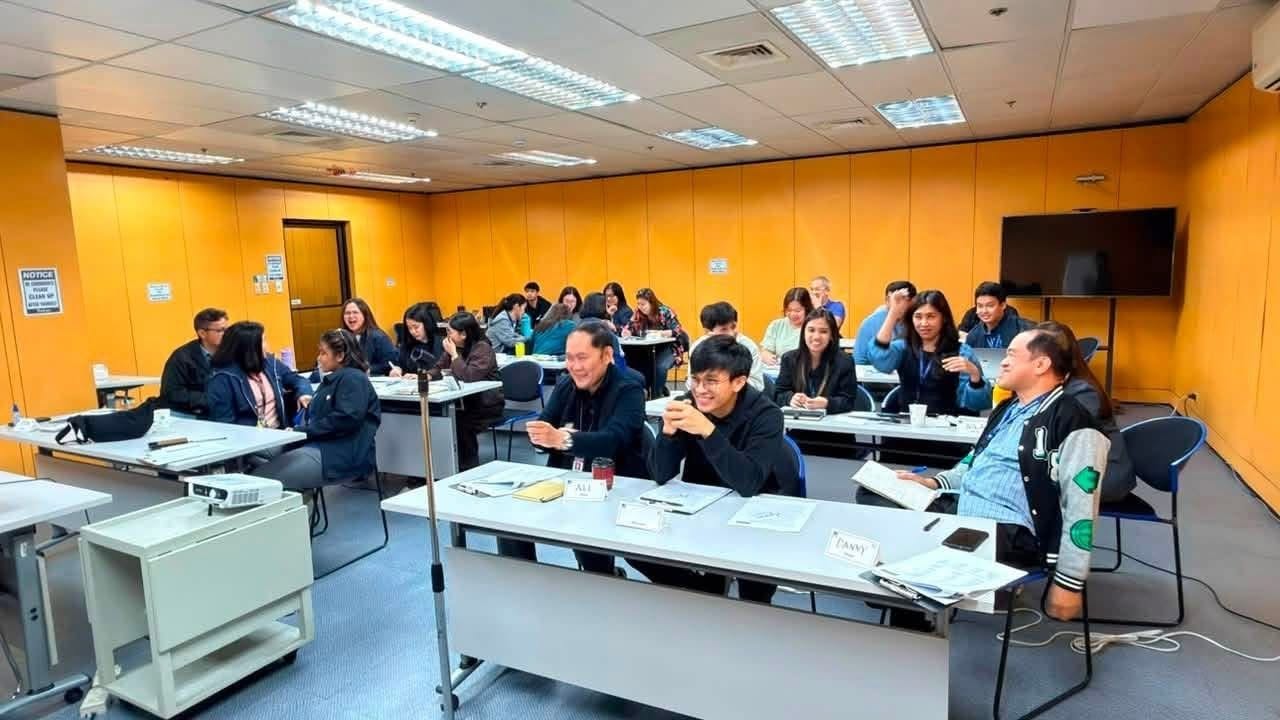
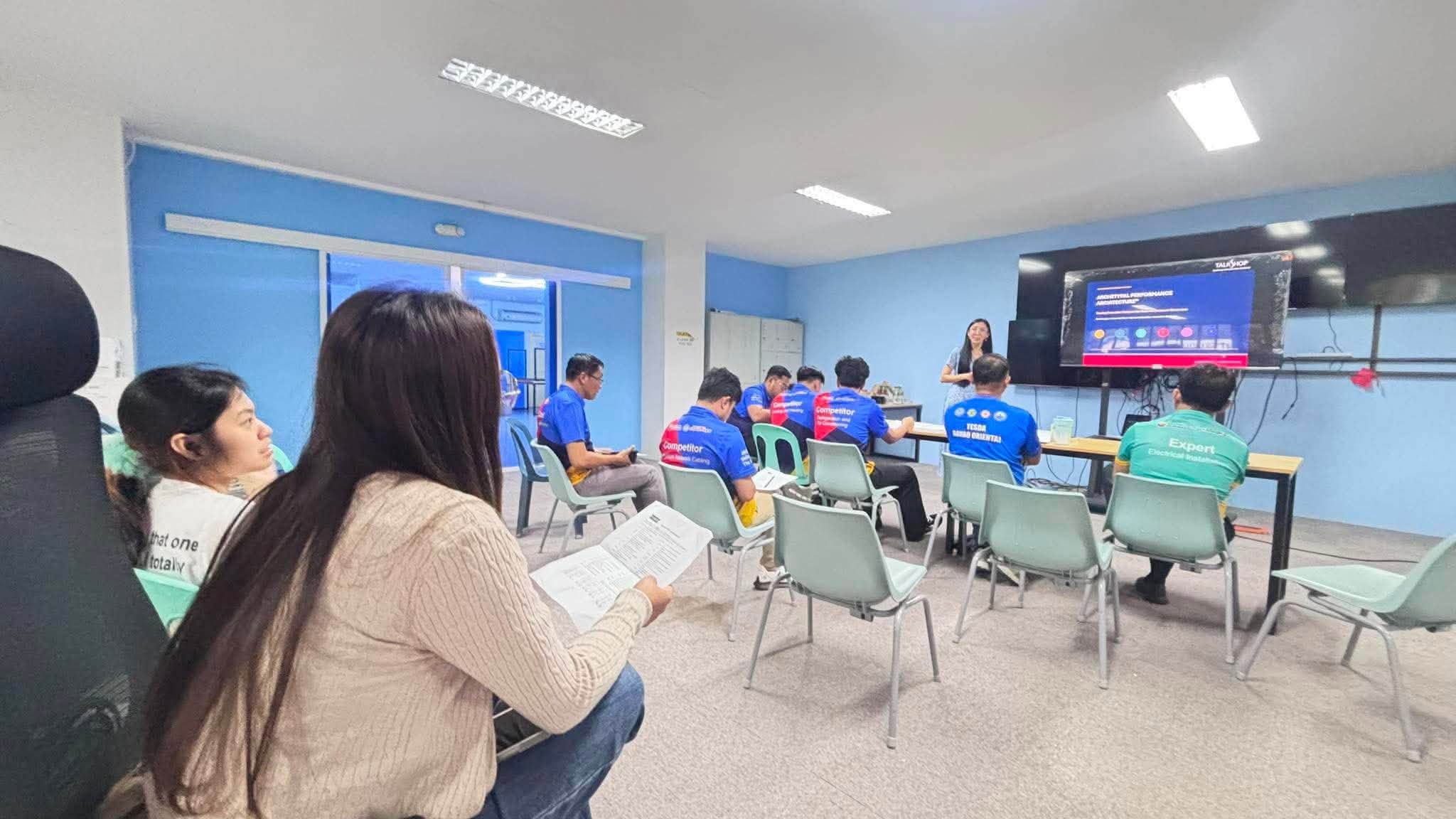
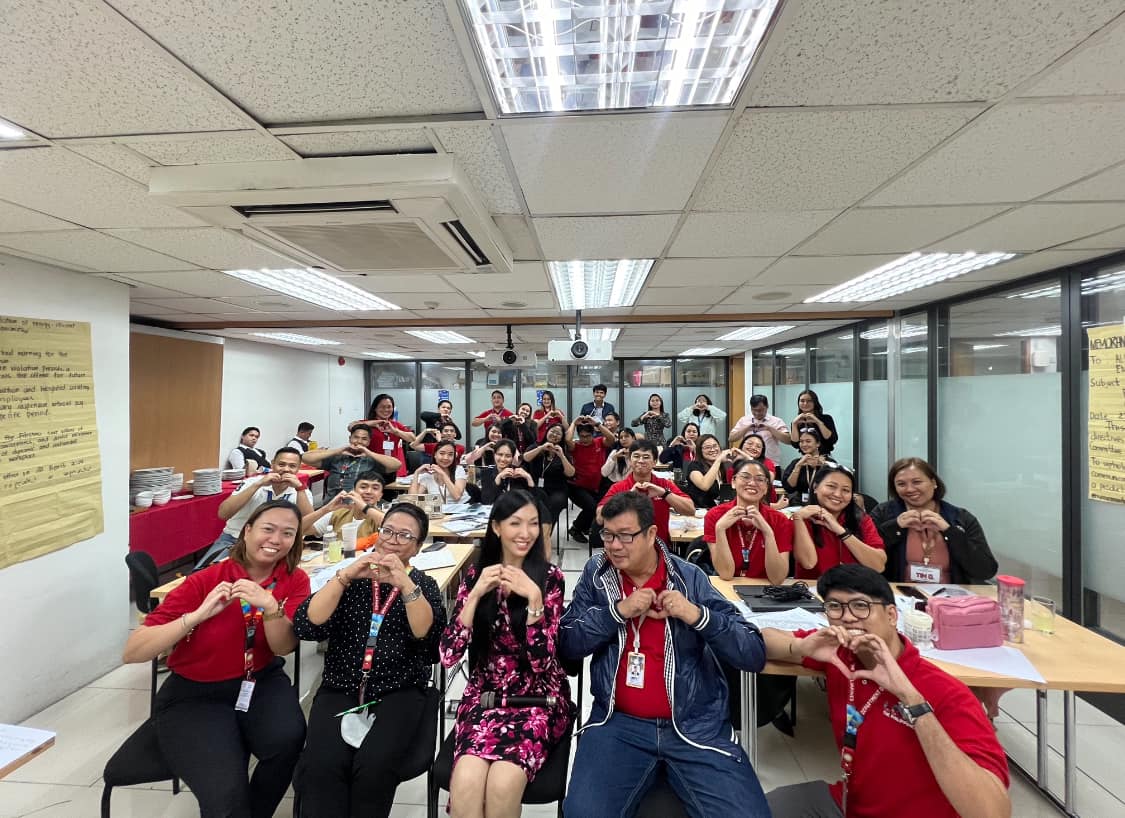
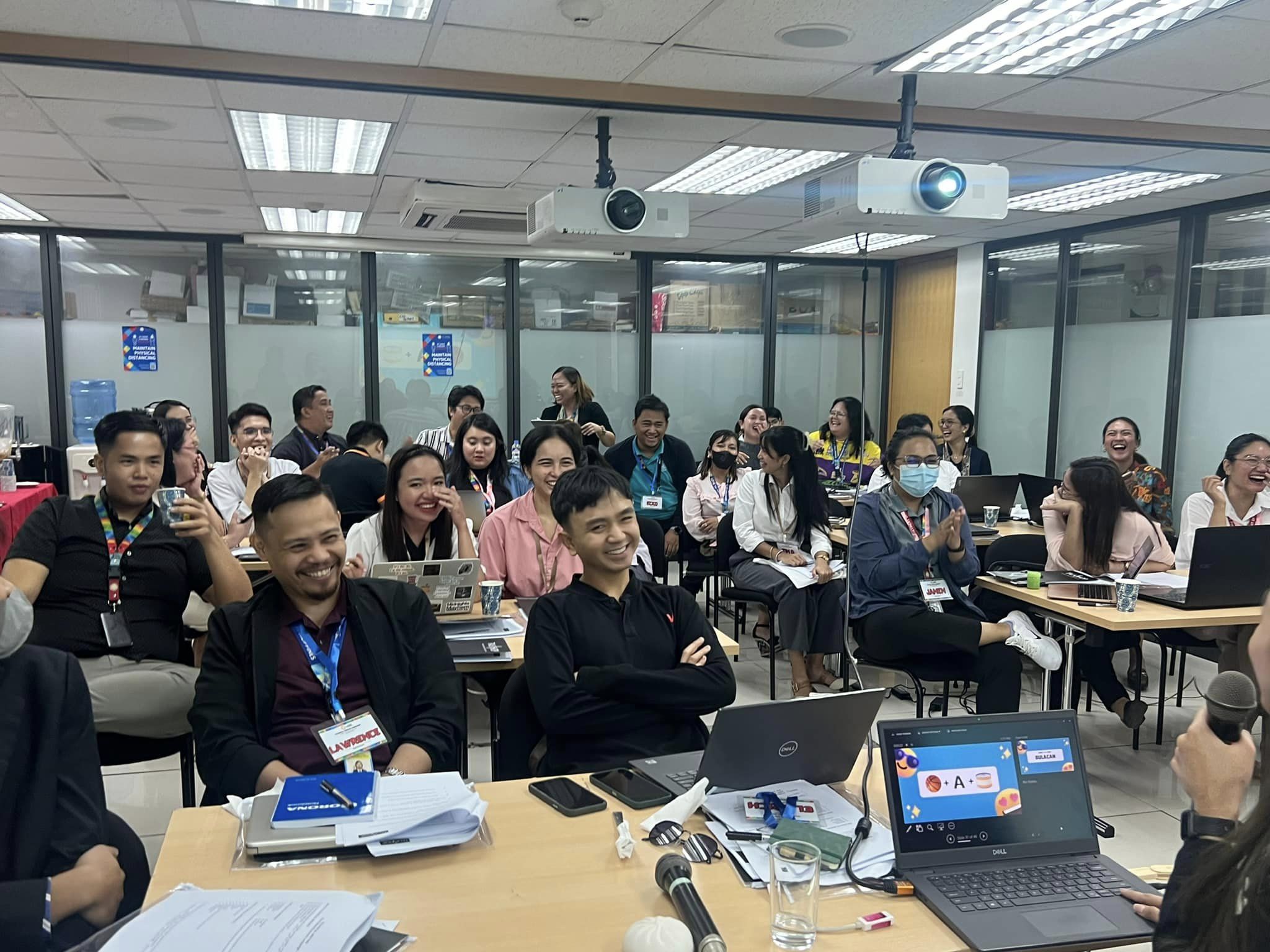
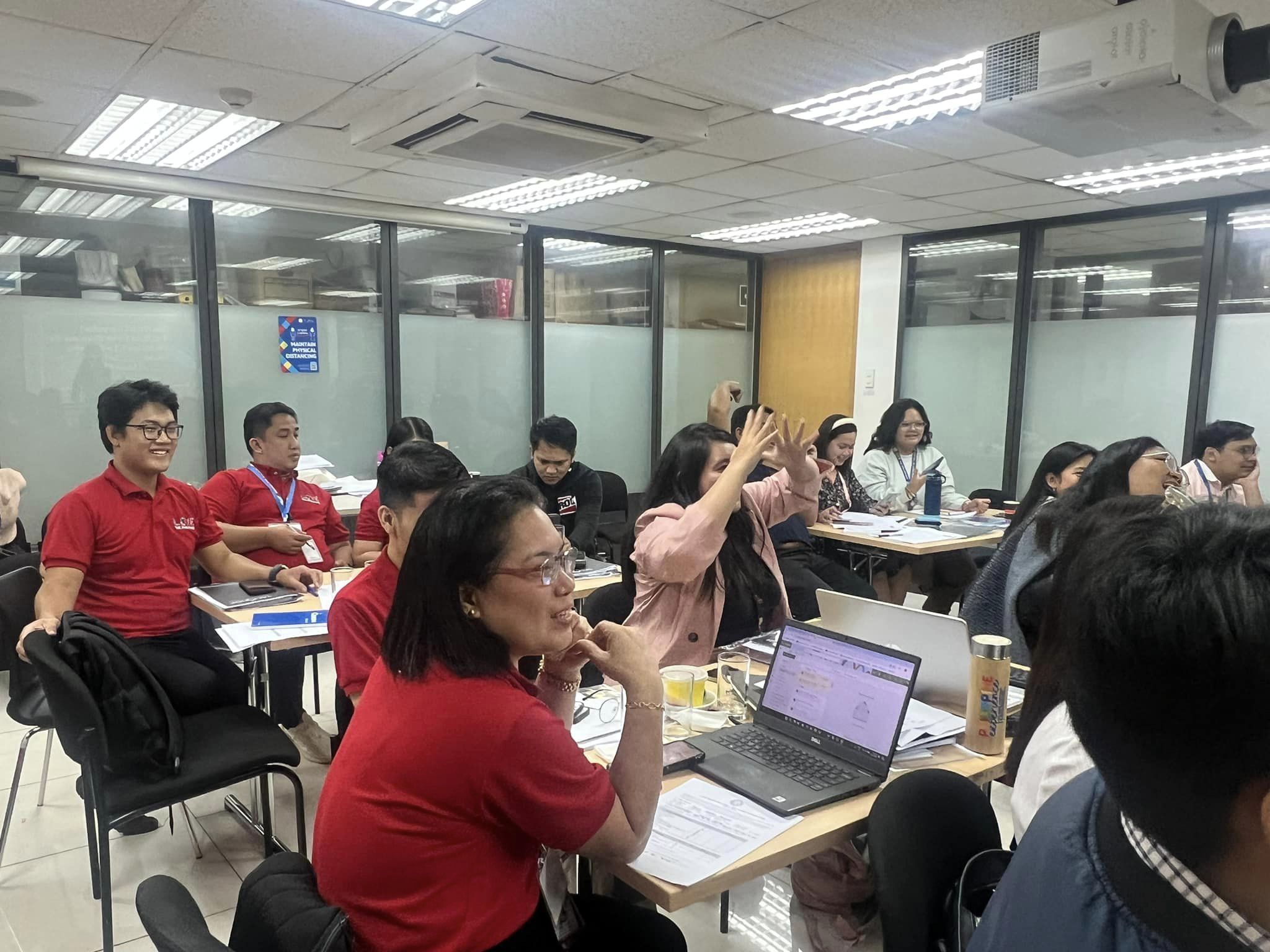
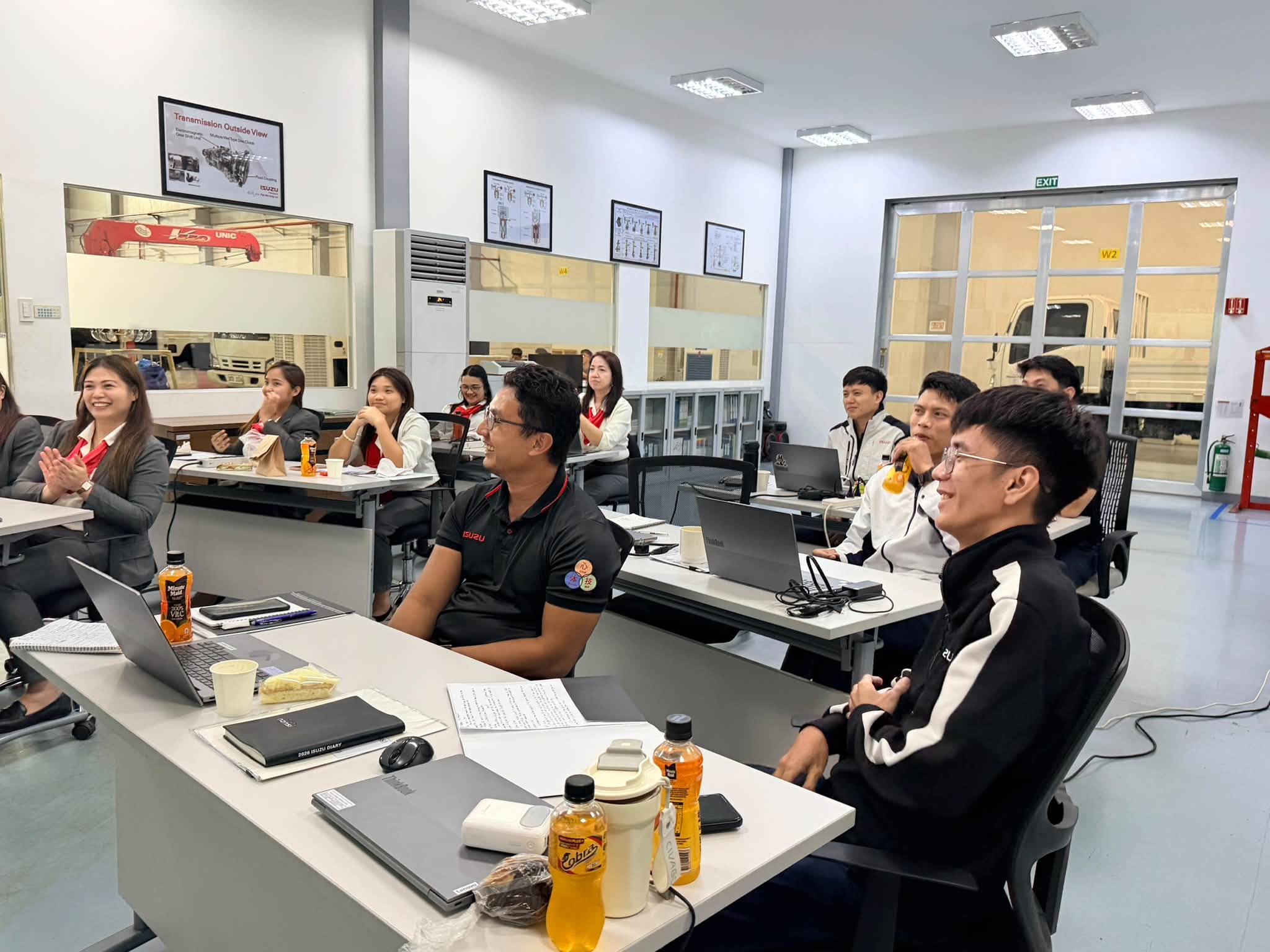
This principle shaped TalkShop’s Global Trainer & Officer Excellence, a three-day intensive capability-development program designed for Isuzu Global trainers, officers, supervisors, subject-matter experts and personnel responsible for facilitating learning, communicating technical or business information, coaching colleagues and representing the organization in local and global settings.
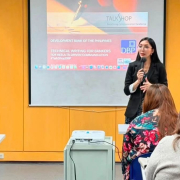
Led by Dr. Sheila Viesca, CEO of TalkShop, the program brought together four capabilities increasingly important to professionals operating across functions and cultures:
Facilitation mastery. Global communication. Cultural intelligence. Professional credibility.
Rather than approaching trainer development as presentation-skills training alone, TalkShop designed the intervention around a larger question:
What happens to expertise after the expert knows it?
Can it be explained?
Can it be taught?
Can it survive differences in language, hierarchy, personality and culture?
Can another person actually use it?
For TalkShop, that is where subject-matter expertise becomes organizational capability.
From Subject-Matter Expert to Learning Facilitator
Knowing a subject and teaching it are different competencies.
An expert may understand a process thoroughly yet struggle to organize it for someone encountering it for the first time.
A trainer therefore needs more than information.
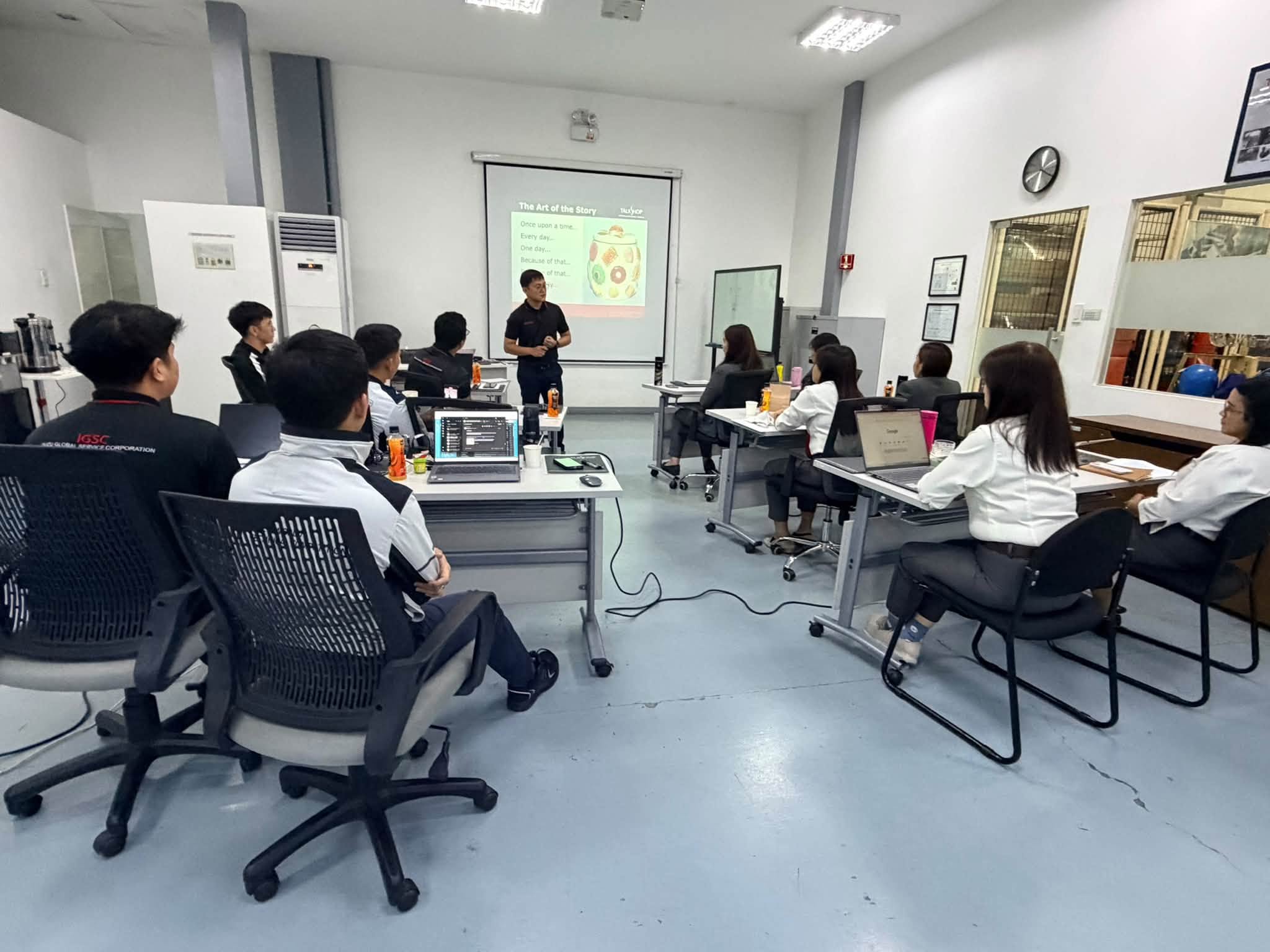
Participants examined adult-learning principles, learner expectations, instructional structure, questioning, listening, engagement, storytelling, explanation and learning transfer.
They practiced opening and framing a session, sequencing content, signposting important information, using examples effectively, managing transitions and closing learning with purpose.
Technical information was also subjected to a particularly important discipline:
Explain it simply without making it inaccurate.
Through concise explanation drills and micro-facilitation, participants worked on translating knowledge into communication another person could understand and apply.
Presence Is Part of the Message
Trainer credibility is communicated before a participant has fully processed the content.
Voice.
Posture.
Pacing.
Eye contact.
Preparation.
Clarity.
Response to questions.
Composure when something goes wrong.
The Isuzu program therefore treated professional presence as part of facilitation competence, not an aesthetic addition to it.
Participants examined how nonverbal credibility and instructional clarity affect learner confidence, while practice sessions allowed them to receive structured feedback on how they were actually being experienced by an audience.
The objective was not theatrical performance.
It was credible professional presence that supports the message rather than competing with it.
Communicating Across Cultures Without Reducing People to Stereotypes
For professionals working in global organizations, communication competence must extend beyond fluency.
The second major dimension of the program focused on cultural intelligence.
Participants examined cultural assumptions, adaptation, curiosity and respect, together with communication expectations relevant to Japanese and global corporate environments—including hierarchy, precision, context, listening, preparation, consensus and professional boundaries.
High-context and low-context communication provided another lens.
What one person considers appropriately subtle, another may experience as vague.
What one culture considers admirably direct, another may perceive as unnecessarily confrontational.
The objective was not to assign rigid behaviors to nationalities.
It was to develop the ability to read context, remain observant and adapt without stereotyping.
That distinction is fundamental to TalkShop’s approach to cross-cultural communication.
Professional Disagreement Without Damaging the Relationship
Global professionals must also know what to do when communication becomes difficult.
Participants worked on clear requests, disagreement, boundary-setting, escalation and difficult conversations while preserving professional dignity and working relationships.
Feedback and coaching were approached similarly.
Instead of making feedback personal, participants practiced behavior-based language, appropriate timing, specificity and inquiry.
The shift was from:
“How do I correct this person?”
to:
“How do I help this person see the behavior, understand its impact and take ownership of the next action?”
That turns feedback from fault-finding into a developmental conversation.
Coaching Rather Than Correcting
The distinction became even more important for trainers.
When every mistake is immediately corrected by the expert, learners can become dependent on the expert.
Coaching asks more of both people.
The trainer observes.
The trainer asks.
The learner thinks.
The learner identifies.
The learner acts.
TalkShop therefore incorporated inquiry, observation, developmental language, learner ownership and accountability into the Isuzu program.
This supports a larger organizational objective: trainers who do not simply transmit knowledge, but develop capability in others.
When the Training Room Does Not Follow the Plan
Real facilitation is rarely perfect.
A participant may dominate.
Another may remain silent.
Someone may resist the material.
Technology may fail.
A question may arise that the trainer cannot answer immediately.
Time may suddenly become limited.
The program deliberately addressed these realities.
Participants examined how to work with quiet, dominant, resistant, disengaged or challenging participants, while maintaining psychological safety and appropriate professional standards.
They also practiced responding to questions they could not immediately answer, correcting misinformation, managing interruptions and recovering when the session did not proceed as expected.
The principle was practical: Credibility does not require pretending that nothing goes wrong. It requires knowing how to respond professionally when something does.
Responsible AI: Technology With Human Judgment
The three-day program also addressed a capability that trainer development can no longer ignore: responsible use of artificial intelligence.
Participants examined how AI can support ideation, structuring and practice while protecting confidentiality, accuracy, organizational standards and human judgment.
For TalkShop, responsible AI use begins with a distinction.
AI can assist the trainer.
It cannot assume the trainer’s accountability.
A generated training outline still requires professional judgment.
An explanation still needs verification.
A case must still fit the organizational context.
Confidential information must still be protected.
And a trainer must still understand the subject well enough to recognize when an AI-generated answer is incomplete, inappropriate or wrong.
The future-ready trainer therefore needs two capabilities at once:
the confidence to use technology and the judgment not to surrender professional responsibility to it.
Reflection as Part of Professional Development
TalkShop’s methodology is deliberately experiential and reflective.
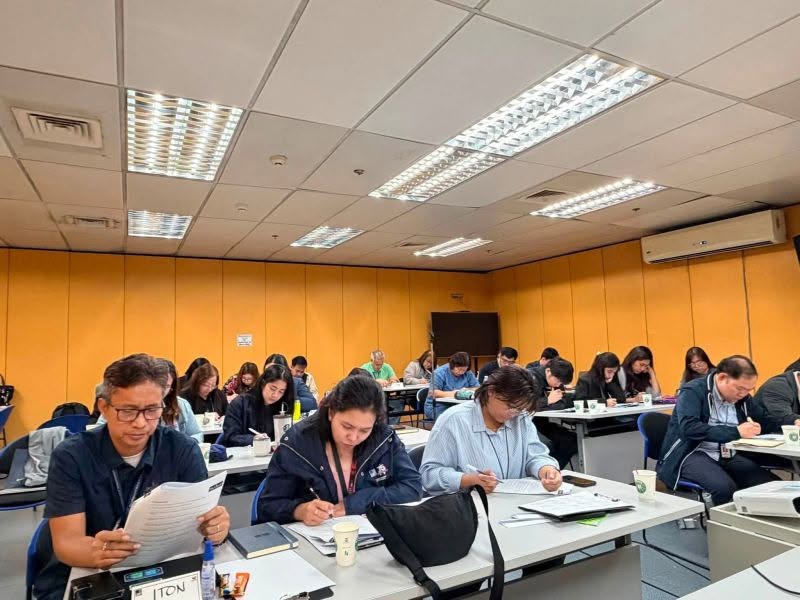
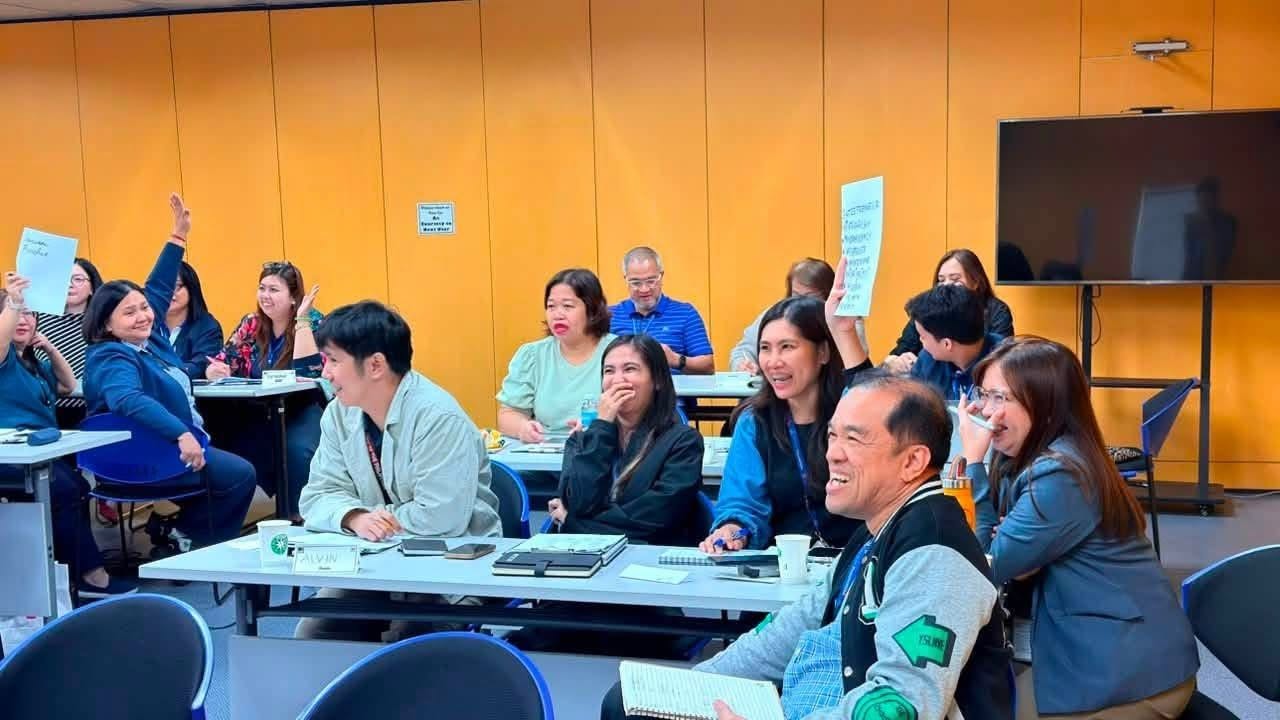
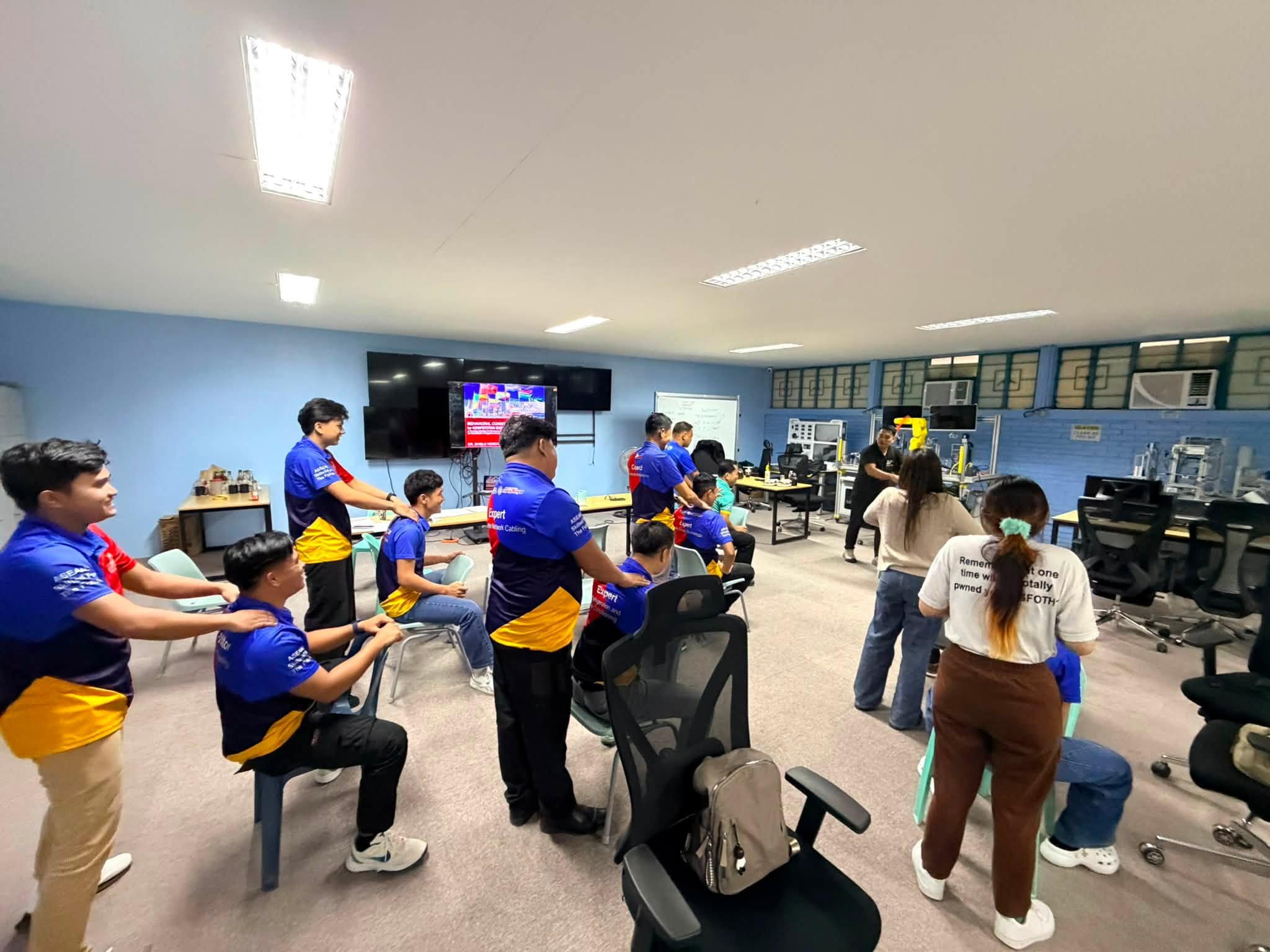
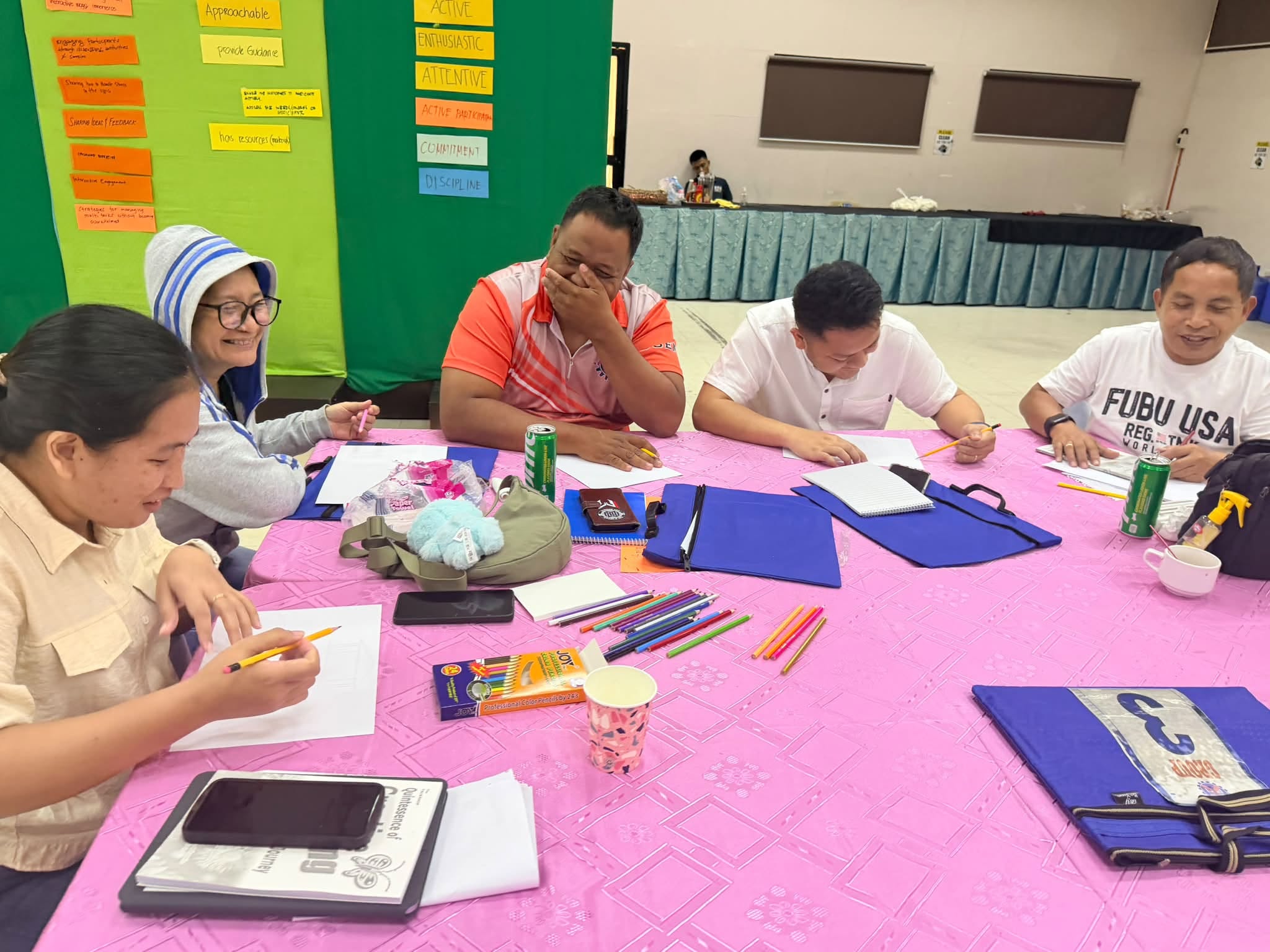
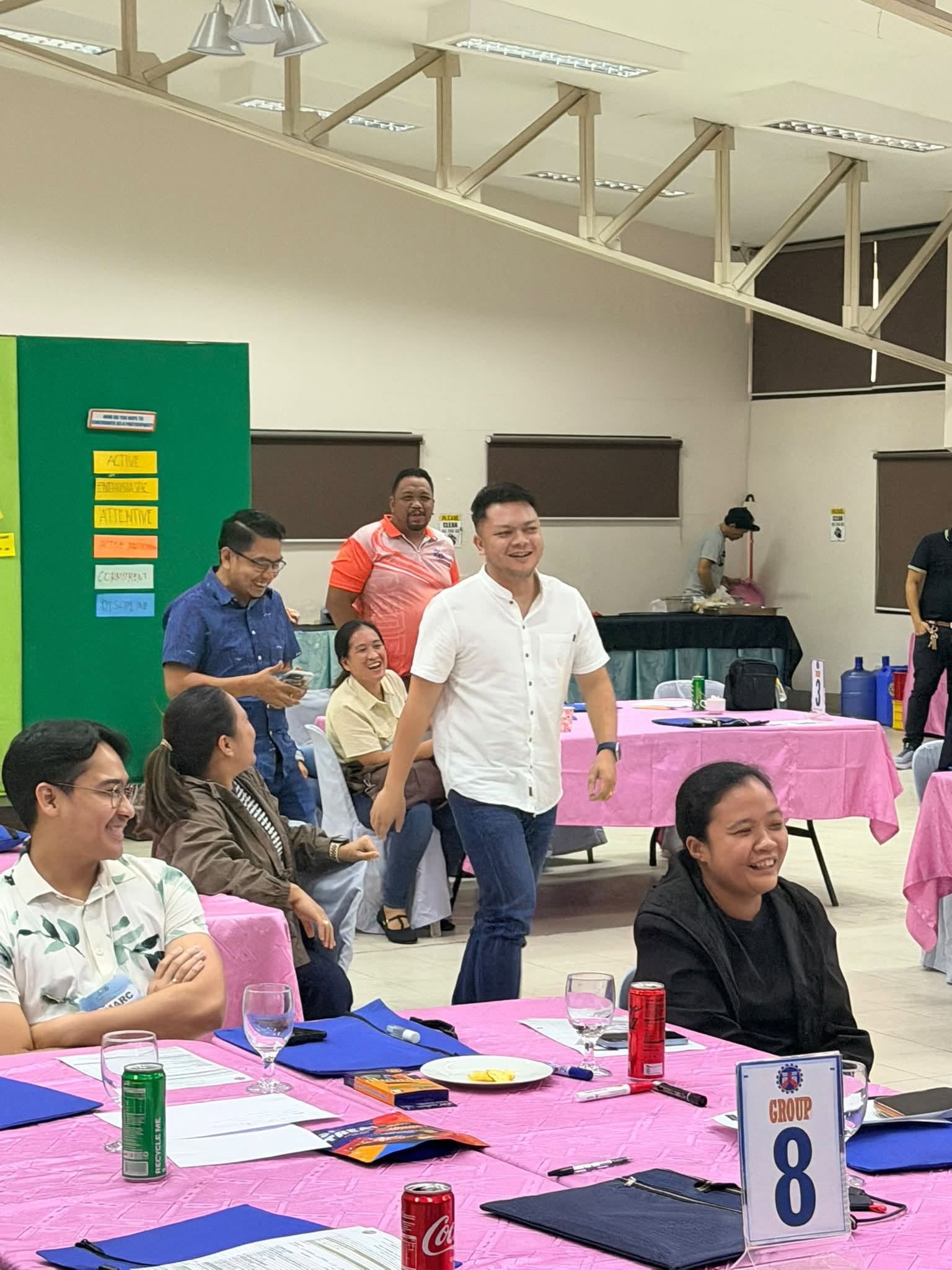
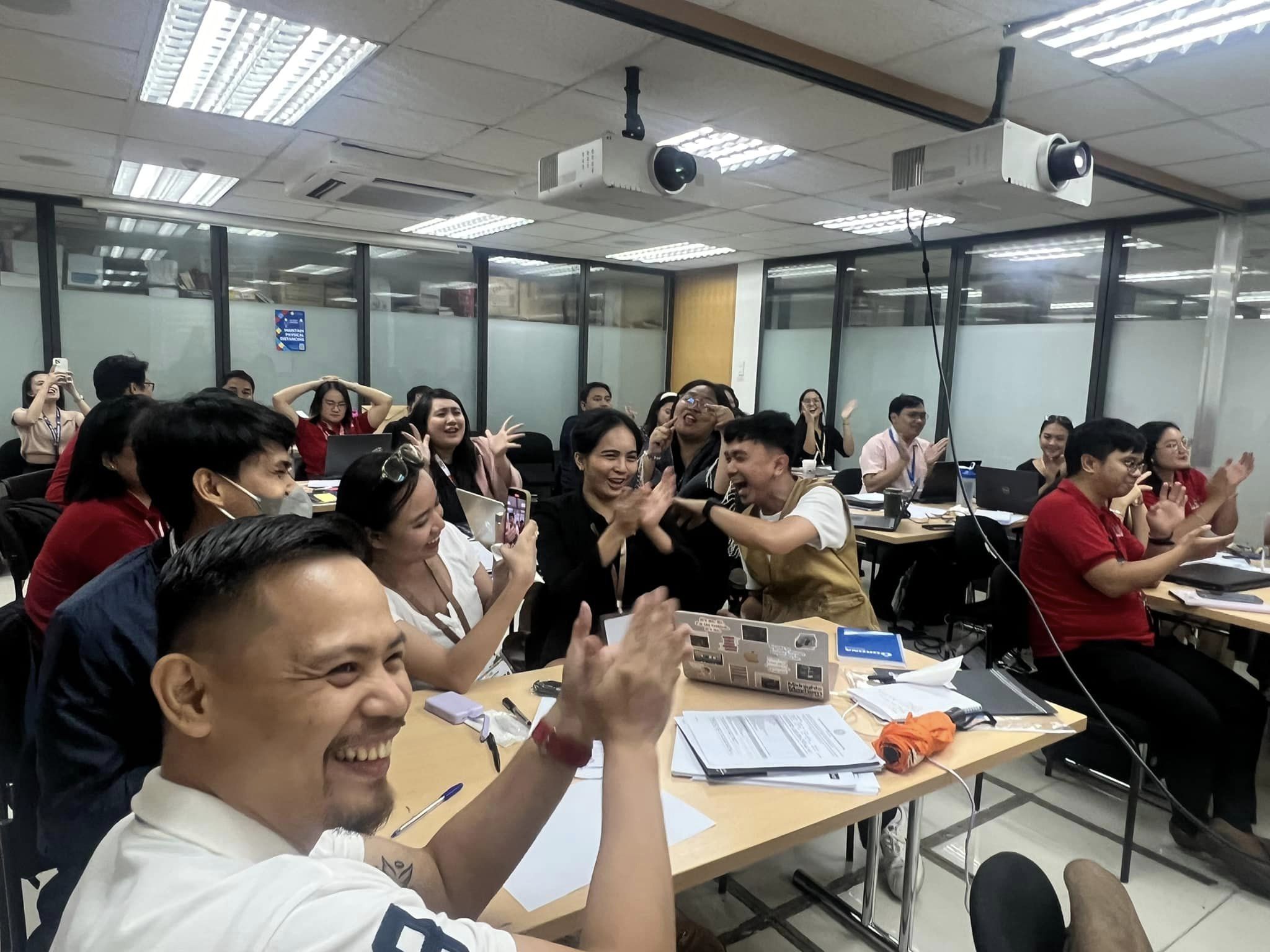
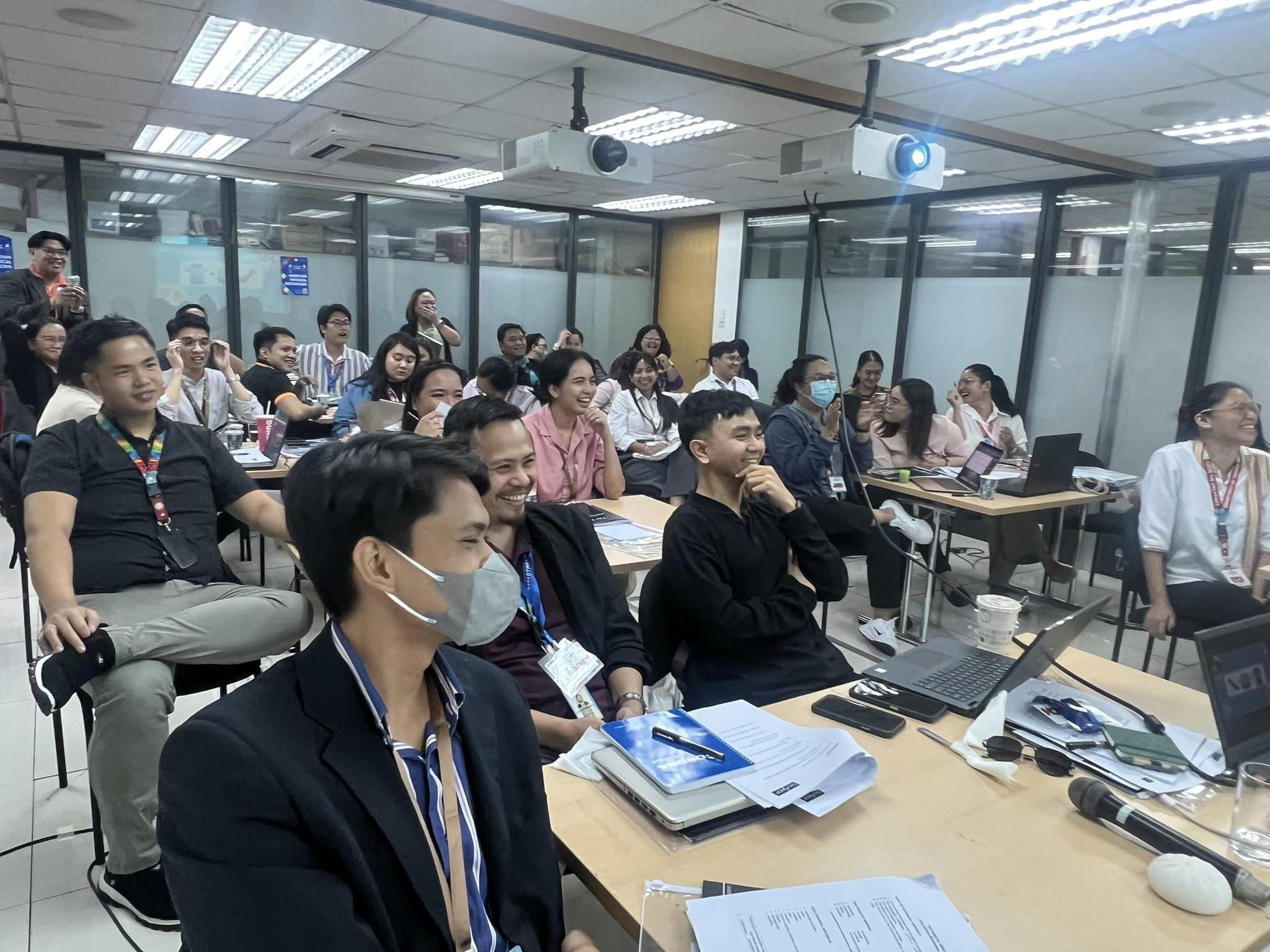
Short evidence-informed inputs were converted into guided practice, individual diagnostics, trainer demonstrations, micro-facilitation, workplace simulations, cross-cultural exercises, role plays, peer coaching and structured debriefing.
Reflection was not reserved for the end of the program.
Participants were repeatedly asked to consider:
What did I intend?
What did the learner experience?
What worked?
What changed when I was under pressure?
What feedback am I resisting?
What should I repeat?
What should I recalibrate?
This process reflects TalkShop’s broader approach to adult learning: Practice makes behavior visible. Reflection makes practice intelligent.
Mindsetting, Reflection and Continued Learning
The holistic philosophy extends to TalkShop’s use of guided reflection, mental preparation and selected content from Dr. Viesca’s Executive Insights’ Mind Architecture™ podcast where relevant to the learning objective.
For trainers and officers, reflective audio can support themes such as entering the room with intention, understanding what the situation requires, communicating with economy, recovering from mistakes and maintaining composure during difficult professional interactions.
The purpose is not to insert media promotion into a corporate program.
It is to give participants access to a continuing reflective resource after formal facilitation ends.
When used this way, a podcast, a writing resource, a reflection exercise and a live workshop become parts of the same learning ecosystem.
Participants experience the value first. Awareness of the platform follows naturally.
Demonstrating Competence, Not Merely Discussing It
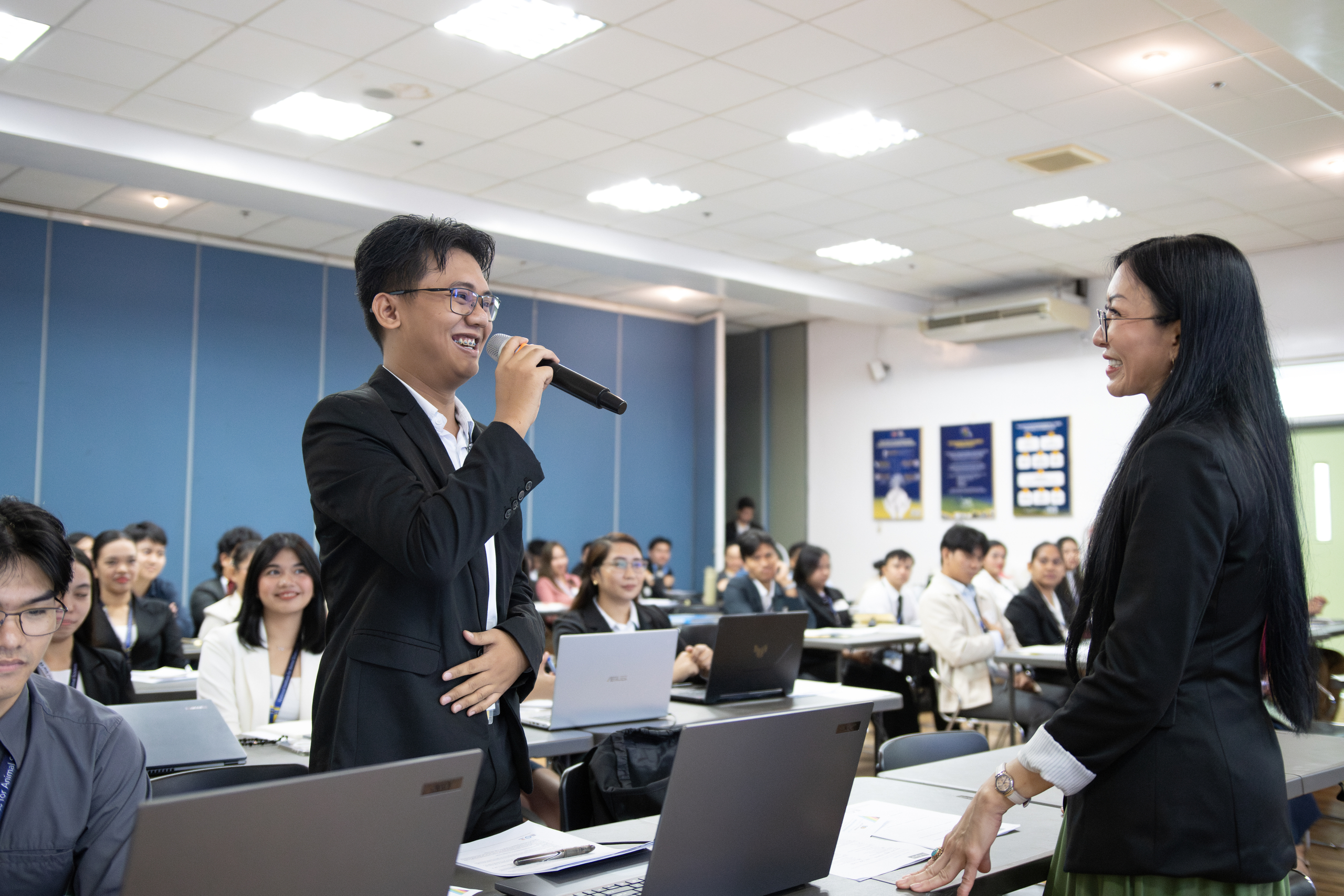
The program culminated in participant-led teach-backs, observed against defined criteria and followed by individual competency feedback.
Learning evaluation also included pre- and post-program learning pulses, facilitator observation, simulations, peer feedback, micro-facilitation and individual action planning.
The standard was deliberately behavioral:
Can the participant structure? Communicate? Facilitate? Adapt? Coach? Recover? Maintain professional credibility?
Expected outputs included individual trainer and communication baselines, learning-design templates, personal presence cues, cultural-adaptation maps, global communication guidelines, difficult-conversation language tools, participant-management playbooks and final competency feedback.
Developing Multipliers Inside the Organization
Trainer development has a distinctive organizational advantage.
When an employee becomes a stronger communicator, one professional improves.
When a trainer becomes more effective, that improvement can multiply across the people that trainer subsequently develops.
This gives train-the-trainer initiatives strategic importance.
The trainer becomes a carrier of knowledge, standards, behavior, culture and organizational expectations.
The Isuzu engagement therefore extended beyond presentation technique.
It developed professionals expected to create understanding, model standards, adapt intelligently across cultures and enable others to perform with greater clarity and confidence.
From Philippine Expertise to Global Corporate Capability
For TalkShop, the Isuzu program also represents another dimension of its learning portfolio.
Its work with government institutions demonstrates public-sector capability development.
Its engagements with financial institutions demonstrate technical and professional communication.
Its behavioral-conditioning programs demonstrate human performance under pressure.
The Isuzu engagement demonstrates how the same underlying methodology can be adapted to a global corporate environment where technical expertise, Japanese business culture, cross-cultural intelligence, facilitation and professional representation intersect.
The context changes.
The competency requirements change.
The learning design changes with them.
The standard does not.
“A strong trainer does more than know the answer. The trainer creates the conditions in which another person can understand, practise and eventually perform without needing the trainer beside them. That is when training becomes capability.”
— Dr. Sheila Viesca, CEO, TalkShop
The TalkShop Approach: From Knowing to Enabling
The Isuzu program captures an important evolution in professional learning.
Organizations do not simply need people who know.
They need people who can explain what they know, adapt it to the audience, model it credibly, coach others through difficulty and transfer the capability forward.
That progression can be expressed simply:
KNOW → COMMUNICATE → FACILITATE → COACH → ENABLE
For Isuzu’s trainers and officers, professional excellence therefore meant more than becoming better presenters.
It meant becoming stronger multipliers of knowledge, culture and performance.
ABOUT TALKSHOP
TalkShop is an ISO-certified and Civil Service Commission-accredited learning and development organization established in 2000, specializing in customized competency development for corporations, government institutions, executives and professionals.
Led by Dr. Sheila Viesca, TalkShop develops learning interventions in executive and professional communication, trainer development, cross-cultural communication, behavioral development, leadership presence, public speaking, business and technical writing, negotiation, workplace wellness, professional protocol and customer engagement.
Its methodology combines contextualization, experiential practice, behavioral observation, reflection, coaching, structured feedback and workplace transfer—moving participants beyond knowing toward enabling others to perform.